

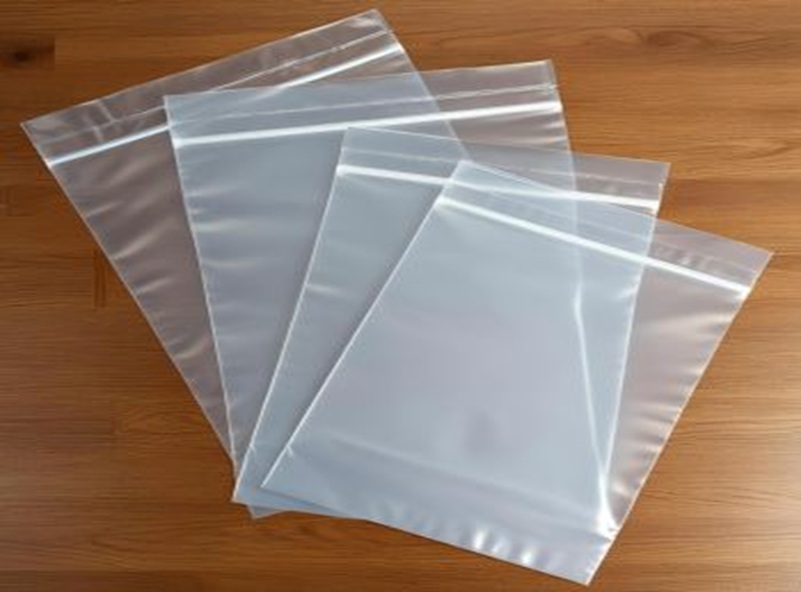
Whether you’re shipping, storing, or displaying products, flat poly bags are a versatile and essential packaging solution. For businesses looking to streamline operations and enhance branding, custom flat poly bags on rolls offer efficiency and flexibility. But with so many options available, how do you choose the right one? This guide will help you understand key factors to consider when selecting flat poly bags tailored to your needs.
What Are Flat Poly Bags?
Flat poly bags are plastic packaging bags made from polyethylene and come without gussets or pleats. They’re typically used for packaging lightweight items like textiles, electronics, and food. Customization allows businesses to specify the size, thickness, color, and even branding on the bags.
Learn more about polyethylene packaging.
1. Determine Your Application
Start by understanding what you will be using the bag for. Are you packaging food items, storing medical supplies, or shipping parts and components? Each application has different requirements for material grade, size, and thickness.
- Retail packaging: Often uses clear, thinner poly bags for product visibility.
- Industrial use: Requires heavier gauge material for strength and durability.
- Food storage: Demands FDA-compliant and moisture-resistant poly bags.
2. Size and Thickness Matter
Choosing the correct size ensures your product fits comfortably without excess space or stretching. The thickness (measured in mils) determines the durability and protection level of the bag.
- 1-2 mil: Light-duty (ideal for dust protection or short-term use).
- 3-4 mil: Medium-duty (used in retail or shipping small parts).
- 6+ mil: Heavy-duty (for sharp or heavy items like tools or hardware).
Using custom flat poly bags on rolls makes dispensing easier, especially in high-volume environments where speed and consistency matter.
3. Material and Seal Type
Flat poly bags are typically made from low-density polyethylene (LDPE), which offers flexibility and transparency. For added strength or environmental concerns, consider high-density polyethylene (HDPE) or biodegradable options.
Seal options also impact performance:
- Open-ended bags: Great for manual or automated sealing with tape or heat.
- Lip and tape seal: Convenient for retail and e-commerce packaging.
4. Customization Options
With custom flat poly bags, you can incorporate:
- Company logos and product info
- Barcodes for inventory tracking
- Warning labels or instructions
Branding your packaging not only enhances visibility but also adds a layer of professionalism.
5. Regulatory Compliance
If your products are regulated (e.g., food, medical devices), ensure your bags comply with FDA, USDA, or other industry-specific standards. Custom vendors often offer certifications for these applications.
Conclusion
Choosing the right custom flat poly bag involves understanding your product’s needs, selecting the right size and material, and incorporating custom features that support efficiency and branding. Whether you need custom flat poly bags on rolls for bulk operations or a specific design for niche products, the right bag will protect your product and present it professionally.
Need help sourcing the perfect poly bag? Reach out to a trusted packaging supplier to explore your options today.
