

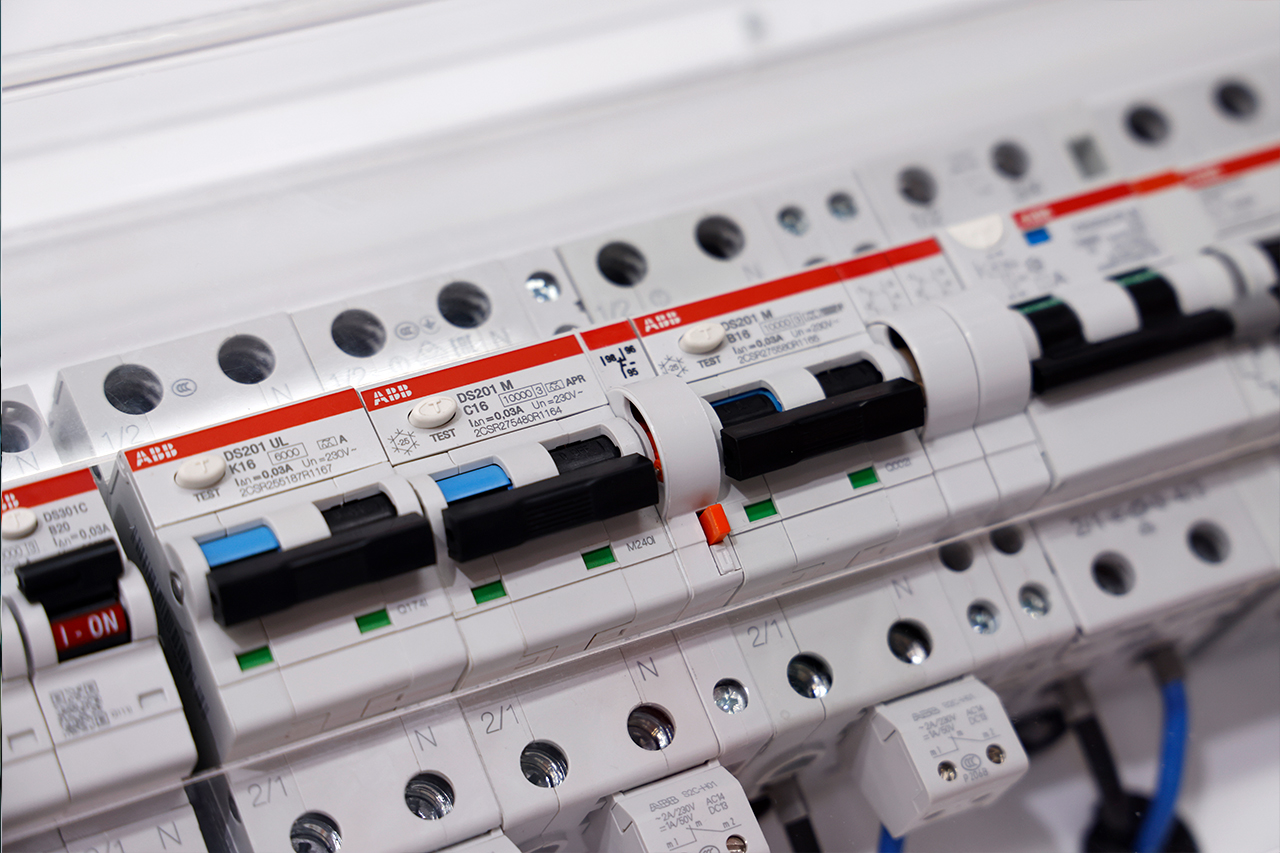
Reliable power control is a basic need for homes and large workspaces. Strong protection tools help prevent harm caused by sudden current rise while keeping equipment safe during daily use. Careful design allows systems to run with fewer faults and lower risk. Smart protection planning supports steady power flow for many setups using miniature circuit breakers.
Consistent Industrial Safety Measures
Large-scale setups demand steady protective behavior under changing load patterns. Safety tools must manage constant switching without losing sensitivity to faults. Proper rating choice ensures a balance between protection strength and normal operation flow. Industrial planners rely on tested components to maintain safe working power routes.
Efficient Energy Flow Control
Balanced current movement helps systems run smoothly without waste or strain. A well-tuned breaker supports proper distribution and prevents uneven load stress. This control reduces sudden shutdown events that interrupt routine tasks. Energy handling becomes more predictable when protective design matches circuit demand.
Reliable Protection For Circuits
Stable circuit care depends on a fast response during overload or short fault events. A compact safety unit reacts within moments to cut power and limit damage to wiring. This action protects devices from heat buildup that may cause failure. Well-planned circuit defense improves trust in electrical layouts using miniature circuit breakers for strong guard.
• Quick cut action reduces wiring stress during sudden current rise events
• Compact safety unit fits tight panels without reducing protection quality
• Strong trip design supports long-term use under heavy load conditions
• Smart internal build lowers the risk of heat damage inside control boards
• Reliable response timing keeps equipment safe during repeated surge moments
Compact Design Supporting Panels
Modern panels require space-saving parts that still deliver high safety value. Small protective units allow a cleaner arrangement of wires inside enclosures. An organized layout improves inspection access and lowers maintenance difficulty. Engineers prefer compact builds that combine strength with easy installation.
Maintenance-Friendly Safety Units
Routine inspection becomes simpler when protective parts are easy to remove and test. Clear status indication helps teams detect faults without delay. Quick replacement design limits downtime during repair activity. Maintenance planning benefits from standardized breaker formats across many systems.
• Visible status marker helps teams identify issues without complex testing tools
• Easy removal structure shortens repair time during urgent electrical faults
• Standard size format supports smooth swap across different panel designs
• Durable outer case resists wear from repeated handling during inspections
• Clear labeling system improves accuracy during routine safety checks
Compliance With Safety Codes
Regulated safety frameworks demand dependable interruption ability in every circuit path. Certified protective units meet strict testing rules before installation approval. Compliance reduces legal risk and improves overall trust in electrical infrastructure. Strong adherence to safety codes promotes long-lasting operational stability.
Thoughtful planning across all protection layers builds stronger electrical reliability for demanding environments. Smart selection of compact protective tools reduces hazard potential while supporting smooth power delivery. Proper rating choice combined with routine inspection improves overall system resilience. When design teams align protection strategy with real load behavior, they create safer electrical networks that support growth.
• Proper breaker selection improves protection strength across varied electrical load setups
• Routine inspection planning reduces hidden risks inside complex power distribution systems
• Compact protection devices support organized wiring inside crowded control enclosures
• Certified safety units build trust within regulated industrial electrical infrastructure
• Balanced circuit design lowers stress on equipment during heavy usage periods
FAQ
Why are compact breakers important for modern electrical safety planning?
They reduce overload risk while protecting wiring and connected equipment.
Can safety units handle repeated surge events without a performance drop?
Quality designs manage repeated stress while maintaining a steady protection response.
Do standardized breakers simplify inspection routines across large installations?
Uniform formats allow faster checks and smoother replacement during maintenance work.
