

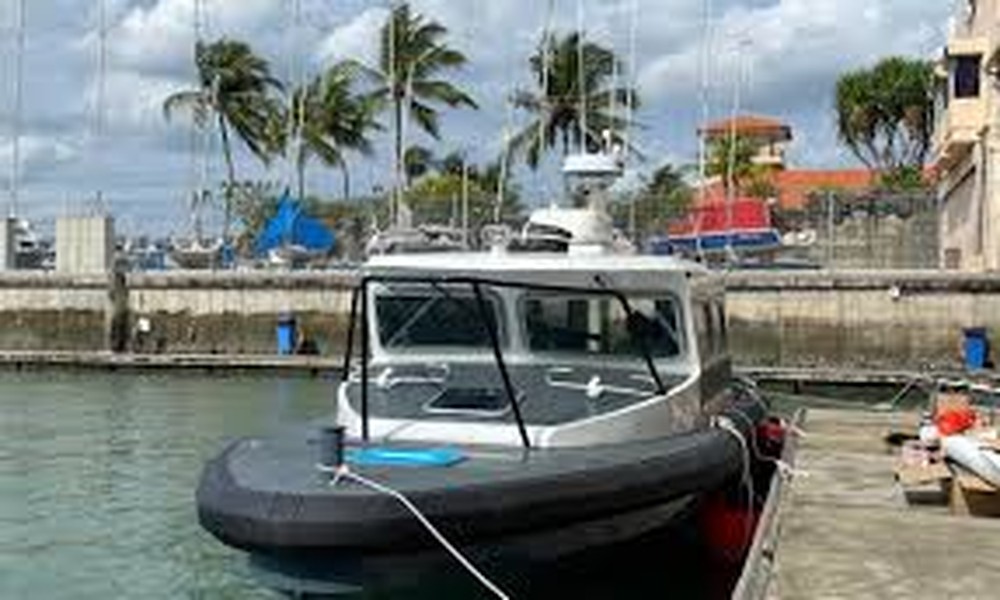
Docking vessels safely requires more than skilled navigation. Ports, marinas, and jetties experience constant contact between vessels and fixed structures, making protective systems essential. Without proper cushioning, repeated impacts can damage both the vessel and the docking structure. This is why installing reliable marina berth fenders plays a key role in maintaining safety and structural longevity.
Marine environments are demanding. Equipment must withstand saltwater exposure, changing tides, and heavy vessel movement. Well-designed fender systems help absorb impact energy and reduce long-term wear on docking facilities.
Where Fenders Are Used
Marine fenders are widely used in locations where vessels frequently dock or remain stationary for loading and unloading. These systems act as a protective barrier between vessels and rigid surfaces.
Common installation areas include:
- Commercial shipping ports
- Private and public marinas
- Industrial loading docks
- Fishing harbors
- Passenger ferry terminals
- Oil and cargo-handling jetties
In high-traffic areas, properly installed JETTY FENDER systems help manage repeated docking impact. Without such protection, both vessels and docking infrastructure may face structural damage over time.
Using suitable fender types also improves safety for crew members working during docking operations.
How Marina Fenders Work
Fenders function by absorbing kinetic energy when a vessel approaches or makes contact with a dock. The material compresses under pressure, reducing direct force on surfaces.
Different marina berth fenders are designed to handle varying vessel sizes and docking speeds.
Key functions of marine fender systems:
- Absorbing vessel impact energy
- Preventing direct structural collisions
- Reducing vibration during docking
- Minimizing wear on hull surfaces
- Protecting dock edges from cracking
Proper placement is just as important as product selection. Incorrect spacing or alignment can reduce the effectiveness of the system.
Engineers often calculate expected vessel loads before deciding on installation positions.
Types of Jetty Fender Systems
Jetty installations vary depending on cargo type, vessel size, and environmental conditions. Selecting the right JETTY FENDER type helps improve operational safety and reduce repair costs.
Common jetty fender types include:
- Cylindrical fenders Suitable for general-purpose docking applications.
- Cone fenders Designed for high-impact energy absorption.
- Arch fenders Often used in medium-sized vessel docking areas.
- Cell fenders Used in heavy-duty industrial ports.
- Panel fenders Suitable for large vessels requiring stable contact surfaces.
Each type serves specific operational requirements, making site assessment an essential part of planning.
Matching fender type with vessel size ensures balanced force distribution during docking.
Factors That Affect Fender Selection
Choosing suitable marine fenders involves reviewing several environmental and operational conditions. A mismatch between vessel requirements and fender strength can lead to premature damage.
Important selection factors include:
- Vessel size and weight Larger vessels generate greater impact force.
- Docking frequency High-traffic docks require durable materials.
- Tidal variation Water level changes affect contact height.
- Environmental exposure Saltwater and UV exposure influence material lifespan.
- Installation surface type Concrete, steel, or timber structures require different mounting methods.
Marine engineers typically conduct site inspections before recommending suitable marina berth fenders. These evaluations help identify stress points and ensure consistent performance over time.
Well-planned installation reduces maintenance needs and improves overall reliability.
Maintenance and Longevity
Marine equipment exposed to water and weather conditions requires routine inspection. Even durable fenders benefit from periodic maintenance checks.
Basic maintenance practices include:
- Inspecting for visible cracks or wear
- Checking bolt and mounting stability
- Cleaning accumulated debris
- Monitoring compression performance
- Replacing worn components when necessary
Regular maintenance helps extend operational lifespan and prevents unexpected downtime.
Facilities that maintain inspection schedules often reduce repair costs and improve overall safety standards.
Monitoring fender performance also supports long-term infrastructure planning.
Supporting Safer Docking Operations
Marine docking environments depend on reliable protection systems to handle repeated vessel movement. Properly selected marina berth fenders and durable JETTY FENDER installations help safeguard vessels, reduce structural stress, and improve operational safety across marine facilities. As ports, marinas, and industrial docks continue expanding to support growing marine activity, investing in robust protective systems becomes increasingly important. Integrating advanced designs alongside dependable large boat fenders supports safer docking conditions and helps maintain long-term structural integrity across busy waterfront locations.
