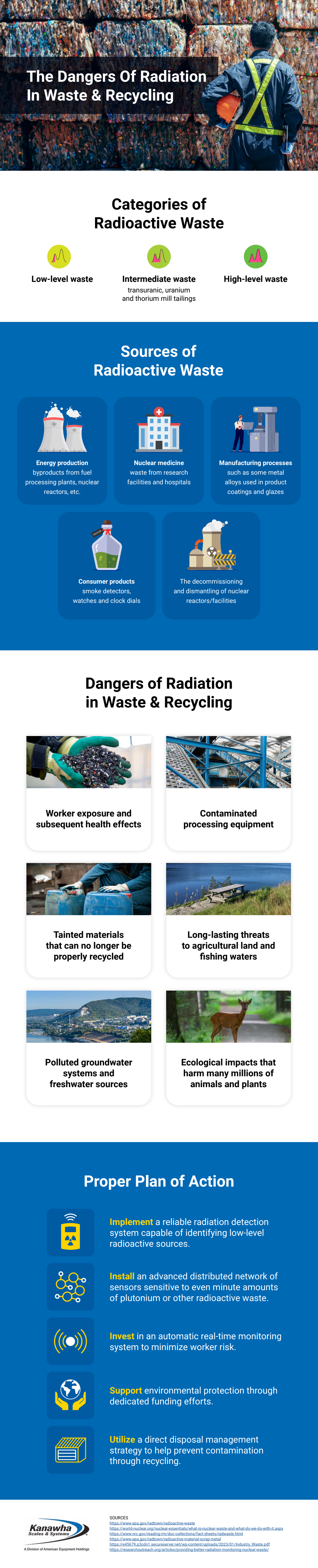

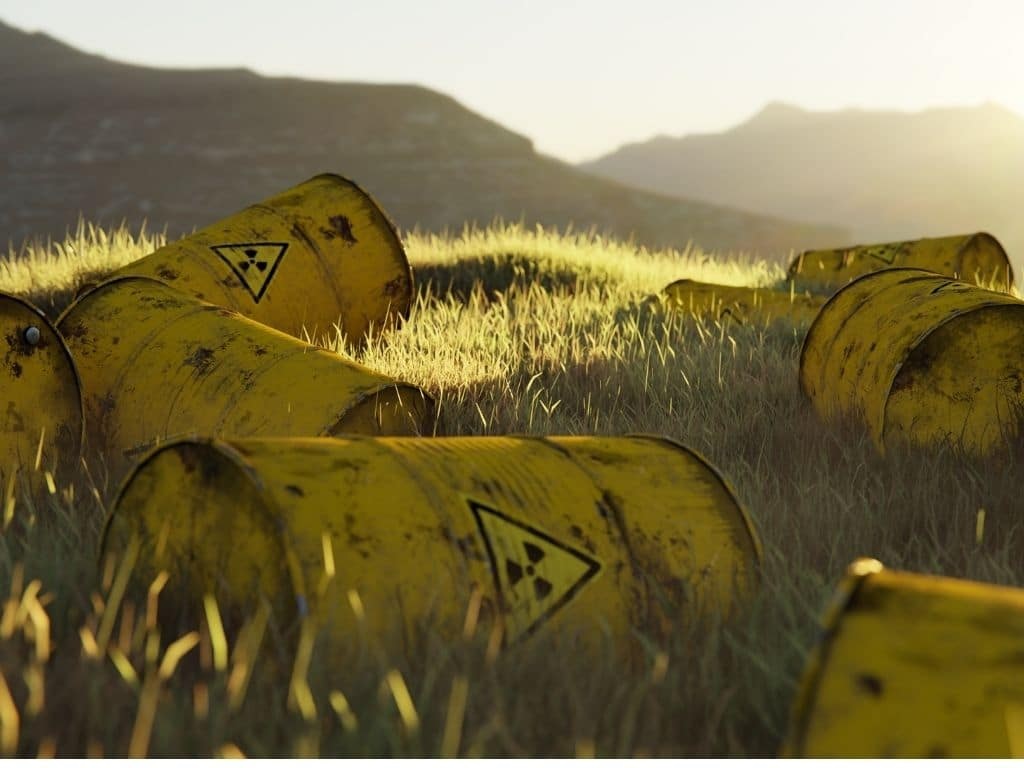
As landfill space becomes increasingly scarce and environmental harm intensifies, the push for more innovative and sustainable waste management strategies has never been more critical. Among the most dangerous categories of waste is radioactive material, which remains toxic for extended periods and poses significant threats to both ecosystems and human health.
This type of waste originates from a wide spectrum of sources—not only nuclear energy production, but also medical treatments, industrial applications, academic research, and even some household items. Because of its diverse origins and potential for widespread harm, strict regulations and highly controlled handling practices are essential to prevent contamination and protect public safety.
When mishandled, radioactive substances can contaminate water systems, degrade soil, and cause serious health issues for wildlife and people. These impacts can be immediate or develop over time, which is why reliable containment and disposal processes are essential components of any responsible environmental policy.
To meet these challenges, advancements in technology are reshaping how radioactive waste is managed and transported. For example, an industrial scale company has developed sophisticated methods for monitoring and moving radioactive materials with greater precision and safety. These innovations help reduce the risk of leaks, streamline logistics, and ensure compliance with strict safety protocols—demonstrating how thoughtful engineering can make even the most hazardous waste more manageable.
Explore the resource linked below to dive deeper into the latest breakthroughs in radioactive waste solutions and learn how these developments are driving progress toward a more secure and environmentally responsible future.