

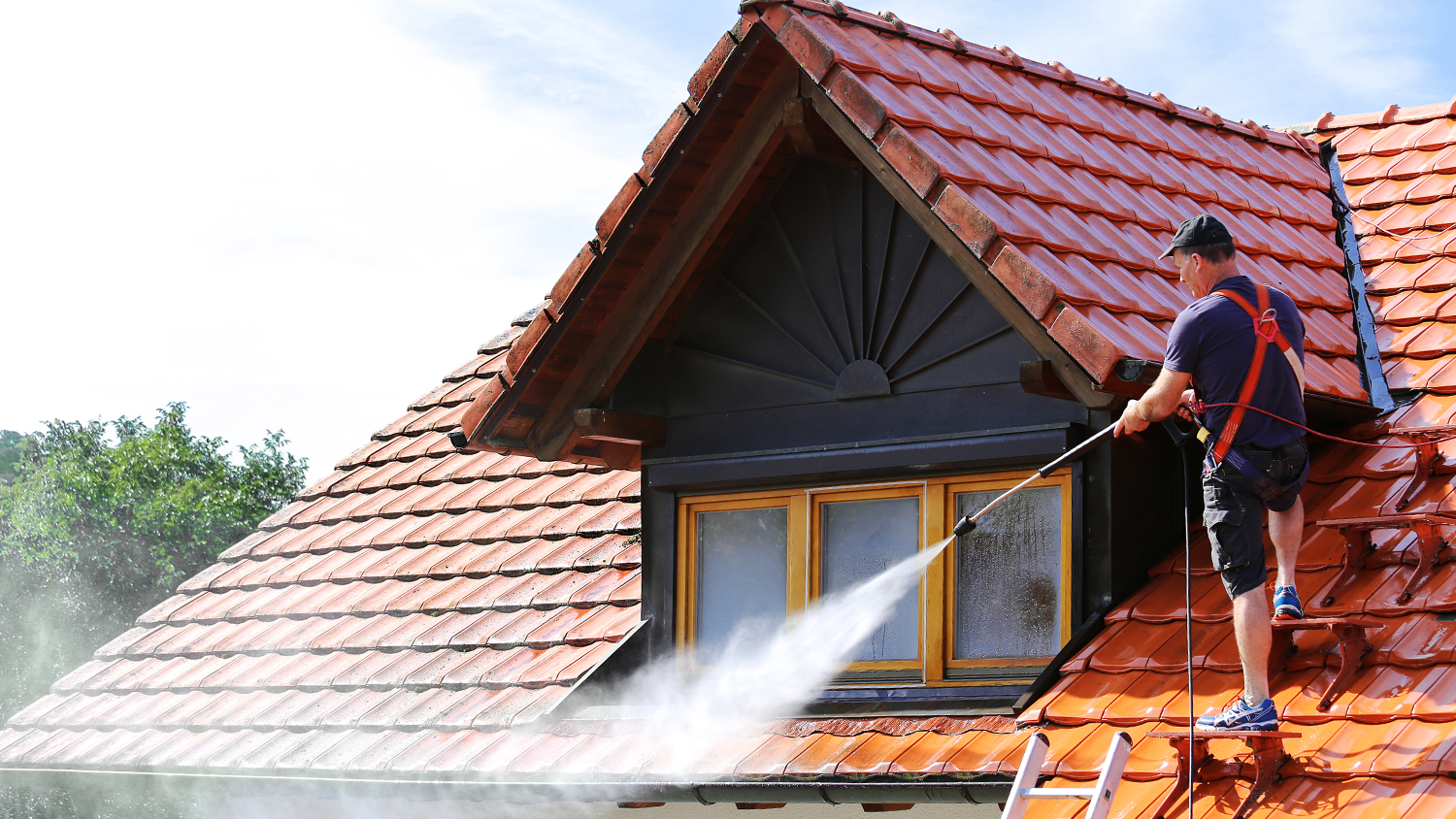
A roof can quietly lose years of its lifespan if moss and grime are left unchecked, yet the wrong cleaning method could do even more harm. The debate around pressure washing for roofs has divided homeowners and professionals alike, with some swearing by its transformative effects and others warning of costly damage. So, what does the data really say about pressure washing and roof longevity?
What Is Pressure Washing and How Is It Used on Roofs?
Pressure washing uses high-pressure water jets to blast away dirt, moss, and other contaminants. When applied to roofs, it can quickly remove years of buildup that ordinary rain and manual cleaning can’t touch. While it’s a common solution for stubborn stains and biological growth, the exact approach varies based on the surface in question.
Differentiating Pressure Washing from Soft Washing
Unlike pressure washing, soft washing utilizes lower water pressure combined with specialized cleaning agents. This gentler technique is often favored for delicate roofing materials, such as asphalt shingles, to prevent accidental damage.
Typical Techniques and Equipment for Roof Cleaning
Professionals employ commercial-grade pressure washers, sometimes with adjustable nozzles that allow for both high and low-pressure settings. The choice between pressure and soft washing often depends on the type of roof material, the extent of contamination, and concerns about potential damage.
Why Do Roofs Need Cleaning?
Left unchecked, a roof can quickly become a breeding ground for moss, algae, and lichen. These organisms thrive in damp, shaded areas and, over time, their roots or filaments can slowly break down roofing materials.
Common Contaminants: Moss, Algae, and Dirt
Moss is notorious for holding moisture against shingles, while algae can create dark streaks, reducing curb appeal. Dirt and debris, meanwhile, can accelerate wear and cause water to pool in problematic spots.
How These Contaminants Affect Roof Health and Appearance
Beyond making a roof look old and worn, these contaminants compromise structural integrity. Moisture-loving moss, for example, can cause shingles to curl and lift, increasing the risk of leaks and expensive repairs.
Can Pressure Washing Damage Roofs?
While pressure washing is highly effective at removing visible grime, the very power that makes it thorough can be a double-edged sword.
Risks Associated with High-Pressure Water on Different Roofing Materials
High-pressure jets can erode protective gravel from asphalt shingles or force water under tiles and into the roof deck. Slate and cedar shake roofs are also vulnerable to chipping and splintering.
Signs of Pressure Washing Damage to Watch For
Look out for granule loss on shingles, cracked or missing tiles, and visible water intrusion after cleaning. These are strong indicators that the pressure used was excessive or the technique was improper.
What Does Research Say About Pressure Washing and Roof Longevity?
So, does pressure washing help your roof last longer, or does it cut its lifespan short? Studies and field data suggest a nuanced answer.
Data on Roof Lifespan Before and After Cleaning
A review of manufacturer guidelines and insurance data shows that properly performed roof cleaning, including pressure washing where appropriate, can extend roof lifespan by two to five years, primarily by removing moss and debris that accelerate decay. However, improperly applied pressure washing can shorten a roof’s life by stripping protective coatings and forcing water into the substrate.
| Roof Cleaning Method | Average Lifespan Extension | Common Risks |
|—————————–|—————————|————————|
| Pressure Washing (correct) | 2-5 years | Granule loss, leaks |
| Pressure Washing (excessive)| -3 to -7 years (reduction)| Surface damage, rot |
| Soft Washing | 3-6 years | Chemical residue |
Comparative Studies Between Pressure Washing and Alternative Methods
Comparative studies have found that soft washing, while slower, achieves similar or better results for asphalt shingles with fewer risks. Pressure washing remains a viable choice for harder surfaces like concrete or clay tiles, provided professionals use the right technique.
How Does Proper Roof Cleaning Extend Roof Life?
Routine roof cleaning removes more than just unsightly stains. By disrupting the growth cycles of moss and algae, it prevents moisture retention, rot, and material degradation.
Removal of Harmful Organisms and Debris
Eliminating organic growth stops roots and filaments from prying apart shingles or tiles. Debris removal also ensures proper water drainage, reducing the risk of leaks.
Prevention of Structural Deterioration and Material Decay
Less moss and dirt means fewer freeze-thaw cycles, less trapped moisture, and overall less stress on the roof structure. The result is a tangible increase in longevity and performance.
When Is Pressure Washing Recommended for Roofs?
Not every roof is a candidate for high-pressure cleaning. The right conditions and timing make all the difference.
Ideal Conditions and Frequency for Roof Cleaning
Pressure washing is most effective on sturdy roofs with thick tiles or metal panels, ideally scheduled during dry, mild weather. Experts suggest cleaning every two to five years, depending on tree cover and climate.
Situations Where Pressure Washing Should Be Avoided
Avoid pressure washing if your roof is older, already showing signs of wear, or made from soft shingles. In these cases, soft washing or manual cleaning is safer.
How to Safely Pressure Wash Your Roof
A careful approach can minimize risk and maximize benefits.
Best Practices to Minimize Damage
– Always use the lowest effective pressure.
– Spray from above, never upward, to avoid forcing water underneath.
– Test an inconspicuous area first.
– Consider professional help for complex or fragile roofs.
Choosing the Right Professionals and Equipment
When hiring, look for licensed and insured contractors with experience in roof cleaning. Services like Zachs Power Washing roof cleaning offer expertise with both pressure and soft washing, ensuring your roof is cleaned safely and effectively.
What Are Alternatives to Pressure Washing for Roof Maintenance?
In situations where pressure washing poses risks, alternatives abound.
Soft Washing and Chemical Treatments
Soft washing and carefully applied chemical treatments can tackle most biological contaminants without the physical force that risks structural damage.
Pros and Cons Compared to Pressure Washing
– Soft Washing: Safer for delicate roofs, less risk of immediate damage, but chemical runoff can be a concern.
– Pressure Washing: Fast and thorough for hard surfaces, but improper use can be costly.
In summary, pressure washing can be a powerful tool for roof maintenance, but only when wielded wisely. Relying on experienced professionals and choosing the right technique for your specific roof will determine whether you add years or lose them.
