

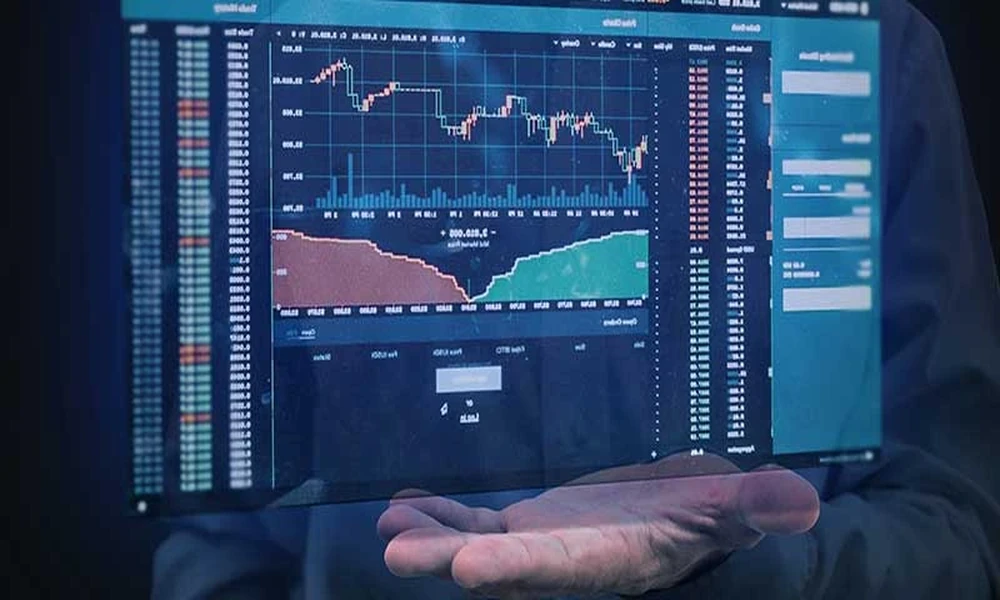
An Intraday Trading App can help traders monitor live markets, place orders, track open positions and respond quickly to price changes during the trading session. Because intraday activity happens within a limited time window, the platform needs to support fast decisions without making the process confusing.
The bigger risk, however, is not always the app itself. Many intraday mistakes happen when traders skip basic checks, use oversized positions, react emotionally or rely too heavily on short-term price movement. A practical checklist can help reduce these avoidable errors.
Before the Market Opens: Prepare the Trading Plan
The first mistake is opening the app without knowing what to look for. Randomly searching for moving stocks after the session begins can encourage impulsive entries.
A better routine is to prepare a focused watchlist before market activity becomes intense. Traders can review broader market sentiment, important overnight developments, company announcements and sectors that may see higher activity.
The objective is not to predict the entire trading day. It is to enter the session with a smaller and more relevant list of opportunities.
Keep the Watchlist Focused
Tracking too many securities can create unnecessary noise. A limited watchlist makes it easier to study price behaviour and wait for predefined setups.
Traders can group securities by liquidity, sector or potential trading setup. The important point is to know why each security is being monitored.
A watchlist should reduce decision fatigue rather than become another source of distraction.
Mistake: Entering Without a Clear Setup
One of the most common intraday mistakes is buying or selling simply because the price is moving quickly. Movement alone does not provide a complete trading plan.
A defined setup should explain the entry condition, expected direction, invalidation point and possible exit. Without those elements, traders may struggle to decide what to do once the position is open.
The trade should make sense before execution rather than only after the market moves favourably.
Mistake: Using Too Much Capital on One Position
Large positions can make even a small market move financially significant. They can also increase emotional pressure and make disciplined exits more difficult.
Position size should be determined by the amount the trader is prepared to lose, not simply by the total buying power available in the app.
A practical approach is to work backwards: define the maximum acceptable loss first, identify the stop level and then calculate the position size.
This keeps risk connected to the trading plan.
Mistake: Ignoring Liquidity
A security may appear attractive because of a rapid price movement, but low liquidity can make entry and exit difficult. Wider bid-ask spreads can also increase the difference between the expected and actual execution price.
Intraday traders should review whether sufficient trading activity is available before entering. This is particularly important when position size is large relative to normal market volume.
Liquidity can affect both execution quality and risk management.
During the Trade: Focus on Execution, Not Emotion
Once the position is active, traders should monitor whether the original setup remains valid. Every small price movement does not require an adjustment.
Constantly moving the stop, changing the target or adding to the position can turn a planned trade into an emotional one. Traders should know in advance what conditions justify a change.
A good Intraday Trading App should support quick monitoring, but the trader should still follow the original risk framework.
Mistake: Moving the Stop-Loss to Avoid a Loss
A stop-loss is meant to define when the trade is no longer working as expected. Moving it further away only because the market is approaching the level increases the amount at risk.
The stop should be selected based on the setup and acceptable loss before entry.
Although stop orders cannot guarantee the exact execution price in every market condition, they remain an important risk-control tool.
The key is to avoid changing the rule simply because taking the loss feels uncomfortable.
Mistake: Averaging a Losing Position Without a Plan
Adding more capital to a losing intraday trade can increase exposure quickly. Traders sometimes do this because they expect the price to reverse.
Without a predefined strategy, averaging can turn a manageable loss into a much larger one.
If adding to a position is part of the trading method, the maximum total exposure should be decided before the first order. Otherwise, increasing the position after a loss can become an emotional response rather than a disciplined decision.
Keep Product Risks Separate
An intraday platform may provide access to several market products. Traders who also use Options should remember that derivatives introduce additional factors such as premium, expiry, volatility and leverage.
An option position should not be managed using exactly the same logic as a simple cash-market intraday trade. The instrument itself changes the risk profile.
Keeping different products and strategies separate can make decision-making more consistent.
Mistake: Chasing a Trade After the Entry Is Gone
A fast price move can create a strong fear of missing out. Traders may enter after the price has already moved far from the original setup.
Late entries often reduce the potential reward while increasing the amount that may need to be risked. The original trade may have been attractive at one price and unsuitable at another.
Missing a trade is not the same as losing money. Waiting for another setup can be more disciplined than entering simply because the market is moving.
Mistake: Taking Too Many Trades After One Loss
A losing trade can create an urge to recover the money immediately. This behaviour often leads to weaker setups, larger positions and reduced attention to risk.
A maximum daily loss limit can help prevent this cycle. Once the limit is reached, the trader can stop for the session rather than trying to force a recovery.
One difficult trade should not be allowed to become an entire day of emotional decisions.
Mistake: Becoming Overconfident After a Large Win
Winning trades can create their own problems. After a strong result, traders may increase position size or take lower-quality setups because they feel unusually confident.
The next trade has its own uncertainty regardless of what happened previously.
Keeping the same entry, position-sizing and risk rules after both wins and losses can help maintain consistency.
Check Order Details Before Confirming
Fast execution can increase the chance of simple operational mistakes. Before confirming an order, traders should verify the instrument, quantity, price and order type.
This becomes particularly important when multiple securities or derivative contracts are open at the same time.
A quick verification can prevent errors such as trading the wrong contract, using an incorrect quantity or placing the opposite order direction.
Speed should not replace accuracy.
Review Open Positions Periodically
During a busy session, traders can lose track of total exposure across several positions. An Intraday Trading App should make it easy to see open trades, current profit or loss and available capital.
Traders should consider total portfolio risk rather than viewing every position independently. Several smaller trades can collectively create a large exposure.
A quick portfolio-level check can prevent accidental overleveraging.
Use Alerts Without Becoming Dependent on Them
Price alerts can help traders monitor important levels without staring at every chart continuously. They can be useful when several securities are being watched.
However, alerts should support the plan rather than become trading signals by themselves. A price reaching a level does not automatically mean the setup is complete.
The trader should still confirm whether the broader conditions remain suitable.
Mistake: Ignoring Transaction Costs
Intraday traders may place multiple orders during one session. Even relatively small costs can add up when trading frequency increases.
Brokerage, statutory charges, taxes and other applicable costs should be included when evaluating the actual result of a strategy.
A method that appears profitable before costs may produce a different result after all expenses are considered.
Net performance matters more than gross trading gains.
After the Trade: Review the Process
The trading process should continue even after the position is closed. A short review can help identify whether the trade followed the original plan.
The most useful questions are not only whether the trade made money. Traders can also ask whether the entry matched the setup, whether position size was appropriate and whether the exit followed the predetermined rule.
A profitable trade can still contain poor decisions, while a losing trade may have followed the process correctly.
Maintain a Simple Trading Journal
A journal helps traders identify repeated behavioural patterns. It does not need to be complicated.
Useful details may include:
- Market setup
- Entry reason
- Entry and exit price
- Position size
- Maximum planned risk
- Final outcome
- Mistake or lesson
- Whether the original plan was followed
Reviewing this information over several weeks can provide more insight than analysing one isolated trading session.
Track Mistakes Separately From Losses
Every loss is not automatically a mistake. A planned trade can fail even when the process is followed correctly.
Traders can divide losing trades into two categories: normal strategy losses and avoidable execution mistakes.
This distinction can make improvement more specific. Instead of trying to eliminate every loss, the trader can focus on reducing errors such as late entries, oversized positions or emotional exits.
Know When to End the Trading Day
Continuing to trade without focus can increase the chance of mistakes. Fatigue, frustration and overconfidence can all reduce decision quality.
Traders can define conditions for ending the session, such as reaching a daily loss limit, completing the planned number of trades or noticing that concentration has declined.
Stopping at the right time can be as important as identifying a good entry.
Keep Long-Term Money Away From Intraday Risk
Capital needed for household expenses, emergency savings or long-term financial goals should not be used for intraday trading.
Separating trading capital can reduce emotional pressure and make risk easier to evaluate. It also prevents a difficult trading session from affecting unrelated financial priorities.
Intraday activity should operate within a clearly defined allocation that the trader can afford to expose to market risk.
Conclusion
An Intraday Trading App can support fast market access, order execution and position monitoring, but better trading outcomes depend heavily on the process followed around those tools. Preparing a focused watchlist, defining risk before entry and reviewing each trade afterward can help reduce avoidable mistakes.
Traders participating in the wider Share Market should keep intraday capital and short-term strategies separate from long-term investment goals. The strongest trading routine is one that prioritises consistent risk control, careful execution and disciplined review instead of trying to capture every market move.
FAQs
1. What Should Traders Check Before Using an Intraday Trading App?
Traders should review platform usability, order features, charges, reliability, security and their own risk limits before trading.
2. Why Is Position Sizing Important in Intraday Trading?
Position sizing controls how much capital is exposed and helps prevent one trade from creating an excessive loss.
3. Should Traders Average a Losing Intraday Position?
Not without a predefined strategy, because unplanned averaging can increase risk quickly.
4. Is It Necessary to Trade Every Day?
No, traders can avoid the market when no setup matches their strategy or when conditions are unsuitable.
5. Can an Intraday Trading App Guarantee Profits?
No, an Intraday Trading App provides tools and market access, but trading outcomes remain subject to market risk.
