

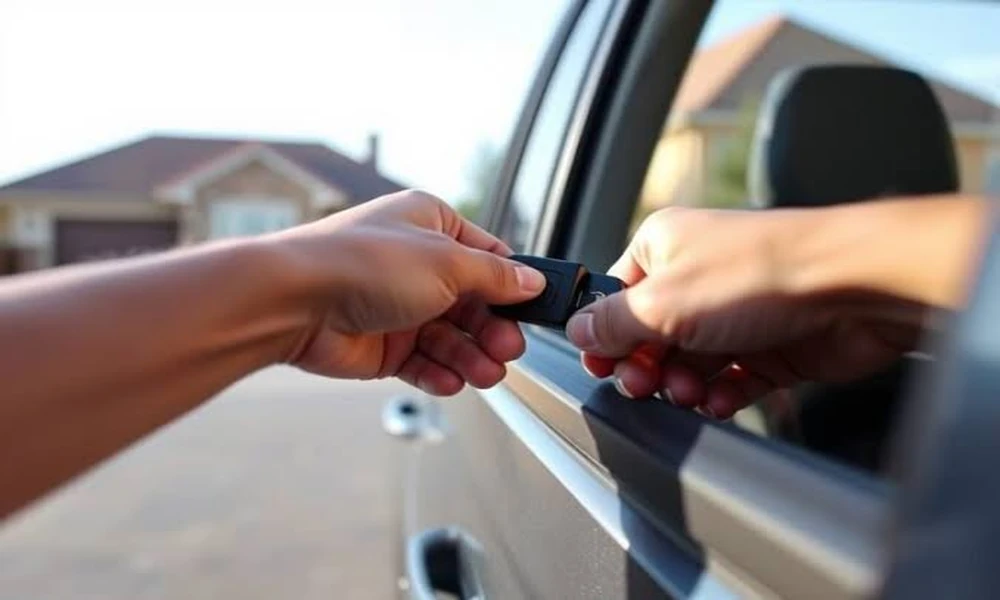
Shipping a vehicle requires careful preparation to ensure a smooth pickup, transit, and delivery process. One of the most overlooked yet critical steps in preparing your vehicle for auto transport is properly managing or disabling its security system. An unexpected car alarm going off on the back of a carrier can cause unnecessary delays, drain your battery, and create headaches for everyone involved.
This complete guide walks you through why disabling your alarm matters, step-by-step methods for turning it off, troubleshooting tips, and a pre-pickup checklist to keep your shipment on schedule.
Why Should You Disable Your Car Alarm Before Shipping?
Disabling or properly managing your car alarm before transport protects both your vehicle and the shipping timeline. Modern vehicle security systems are designed to detect movement, tilt, and impact-all of which occur naturally when a car is loaded onto a carrier and driven down the highway.
- Prevents Disruptions During Loading, Unloading, and Transit: Vibrations from the transport truck, hydraulic lift movements, and sudden stops can easily trigger motion- or tilt-sensitive alarms. If an alarm activates while the vehicle is secured on the upper deck of a carrier, the driver may have to pull over safely to silence it, delaying your delivery and others on the route.
- Protects Your Vehicle’s Battery: A continuous or repeatedly triggered car alarm draws constant power from your battery. If the alarm goes off several times during a multi-day trip, you risk arriving at your destination with a dead battery, which complicates unloading and requires jump-starting or winching.
- Reduces Inconvenience for Drivers and Other Vehicles: A blaring siren on a commercial carrier is distracting to the transport driver, annoying to surrounding motorists, and a noise violation hazard during overnight rest stops.
- Keeps Your Auto Transport Company Informed: Letting your auto transport provider know about your vehicle’s security features-or any quirks in how the alarm operates-allows the driver to handle your car safely and resolve minor triggers immediately without guesswork.
How to Disable Your Car Alarm Before Transport
Alarm-disabling procedures vary significantly depending on your vehicle’s make, model, year, and whether the security system is factory-installed or aftermarket. Always check your owner’s manual first before changing security settings or attempting manual overrides.
Here are the most practical ways to manage standard car alarm systems before carrier pickup:
Use Your Car’s Key Fob
For most modern vehicles with factory-installed security systems, disarming the alarm is straightforward:
- Press the Unlock button on your key fob to disarm the factory alarm system.
- Listen and watch to confirm the alarm stops chirping or flashing and remains disarmed.
- If the remote is sluggish or unresponsive, replace the key fob battery before pickup day so the driver won’t run into issues on the road.
- Keep the working key fob accessible and ready to hand over to the transport driver at pickup.
Disable the Alarm Using the Physical Key
If your key fob isn’t working or your vehicle uses a traditional key cylinder, you can often disarm the system manually:
- Insert the physical key into the driver’s side door lock and turn it to the unlock position.
- Many vehicles are programmed to automatically disarm the factory alarm when the correct mechanical key unlocks the driver’s door.
- Keep in mind that certain models require additional steps-such as turning the key twice within a few seconds or inserting the key into the ignition and turning it to the “On” position-so verify the exact sequence in your owner’s manual.
Turn Off the Alarm Through Vehicle Settings
Many newer vehicles allow drivers to adjust security sensitivity or temporarily disable interior motion and tilt sensors directly through the dashboard or infotainment screen:
- Navigate to your vehicle’s Settings, Vehicle, or Security menu on the infotainment display.
- Look for options such as Tow Mode, Motion Sensors, Tilt Sensor, or Perimeter Alarm and toggle them off as directed by your owner’s manual.
- Avoid altering unfamiliar security or immobilizer settings without consulting your manual, as accidental changes could prevent the vehicle from starting during loading.
Consult a Professional for Aftermarket Alarm Systems
Factory alarms are integrated into your vehicle’s standard electrical system and are usually easy for transport drivers to manage. Aftermarket alarm systems, however, are installed separately and often include custom kill switches, passive arming timers, or secondary remotes that can lock out an unfamiliar driver.
- Contact a qualified automotive electrician or the shop that installed the aftermarket system to ask about putting the alarm into Valet Mode or temporarily disabling it for transport.
- Never remove fuses or disconnect wiring on your own without professional guidance. Pulling the wrong fuse can disable your ignition, fuel pump, or dashboard electronics, turning an operable vehicle into a non-running load.
What to Do If Your Car Alarm Keeps Going Off
If your car alarm activates randomly while parked in your driveway, it is guaranteed to go off during transit. Identify and fix the root cause before your scheduled pickup date.
Check the Key Fob Battery
A dying key fob battery can send weak or erratic signals, failing to properly disarm the security module when you unlock the doors. Swap in a fresh coin-cell battery and test the lock/unlock functions several times to rule out remote malfunctions.
Inspect Door, Hood, and Trunk Sensors
Car alarms rely on pin switches and latch sensors to know when doors, the hood, or the trunk are closed. Dirt buildup, loose wiring, or a slightly misaligned latch can trick the system into thinking someone is prying open a panel-especially when hitting bumps on a transport trailer. Open and firmly close all doors, the hood, and the trunk, and inspect the rubber sensor boots for damage.
Check the Vehicle Battery
A weak or failing 12-volt car battery causes voltage drops that frequently trigger false alarms in modern vehicles. Have a local auto parts store or mechanic test your battery’s health and charging system prior to shipping.
Seek Professional Assistance
If the alarm continues sounding after checking the fob, latches, and battery, visit a certified mechanic or dealership technician. Unresolved electrical or sensor faults should always be repaired before pickup so your vehicle doesn’t arrive with a drained battery or require special non-running handling fees.
Should You Disconnect Your Car Battery Before Transport?
No-disconnecting your car battery is generally not necessary simply to prevent alarm activation, and doing so can actually complicate the shipping process. Transport drivers need to drive your vehicle onto and off the carrier under its own power. If the battery is disconnected, the driver cannot start the car, and your shipment may be reclassified as an inoperable vehicle, resulting in extra winching equipment and higher fees.
Disconnecting the battery can also trigger unwanted side effects:
- Loss of electronic memory: You may lose saved radio presets, seat positions, navigation data, and clock settings.
- Resetting onboard computers: Modern vehicles rely on continuous power to keep engine control modules (ECMs) and emissions monitors calibrated.
- Security system lockouts: Some anti-theft radios and immobilizers lock up when power is cut, requiring dealer-only security codes to restart the vehicle.
Always consult your vehicle manufacturer or a qualified technician before disconnecting a battery for transport. If your vehicle has a known battery drain or electrical issue, inform your transport company in advance so they can prepare accordingly.
Do You Need to Disable Your Car Alarm for Open and Enclosed Auto Transport?
Whether you choose an open carrier or an enclosed trailer, managing your car alarm remains an essential part of pickup preparation.
Open Car Transport
During open auto transport, your vehicle rides on an open-air trailer exposed to wind, rain, passing traffic vibrations, and sudden temperature shifts. Heavy wind gusts or vibrations from rough pavement can easily trip sensitive shock or tilt sensors. Confirming that your alarm is disarmed-or that motion/tilt sensors are switched off-prevents false alarms throughout the journey.
Enclosed Car Transport
Enclosed auto transport shields your vehicle inside a fully covered trailer, protecting it from weather, road debris, and outside interference. However, enclosed trailers still experience road bumps, steep ramp angles during loading, and internal vibrations. Even inside an enclosed carrier, an active tilt or motion sensor can trigger an alarm. Providing accurate security instructions to your carrier ensures your vehicle stays protected without unnecessary interruptions.
What Information Should You Share With Your Car Shipping Company?
Clear communication with your auto transport coordinator and driver prevents misunderstandings and keeps loading fast and safe. Be sure to share the following details before pickup:
- Aftermarket security systems: Let the company know if your car has an aftermarket alarm, GPS tracker, or starter interrupt device.
- Disarming instructions: Explain whether the alarm is disarmed via the key fob, the physical door key, or a specific valet switch sequence.
- Existing alarm quirks: Disclose any known sensor glitches or intermittent alarm issues upfront.
- Vehicle access instructions: Share clear steps for unlocking the vehicle, especially if the alarm automatically re-arms after a set number of seconds (passive arming).
- Keyless entry and starting procedures: Explain push-to-start quirks, proximity fob placement, or specific clutch/brake sequences required to start the engine.
- Complete set of keys: Provide the driver with a working key fob and physical key at pickup, along with written instructions if the system has unique steps.
Complete Car Alarm Preparation Checklist Before Vehicle Pickup
Use this quick checklist a few days before your scheduled pickup to make sure your vehicle’s security system is ready for the road:
- [ ] Check your owner’s manual for model-specific alarm-disabling or “Tow/Transport Mode” instructions.
- [ ] Test your key fob buttons and replace the fob battery if range or responsiveness is weak.
- [ ] Confirm the factory alarm is disarmed and any passive auto-arming features are noted.
- [ ] Check that all doors, windows, the hood, and the trunk are securely closed and latched.
- [ ] Troubleshoot and repair any recurring false alarm triggers well ahead of pickup day.
- [ ] Test your vehicle’s 12-volt battery condition to ensure strong, steady voltage.
- [ ] Leave the vehicle battery connected and avoid pulling fuses unless advised by a certified technician.
- [ ] Inform your transport company about any aftermarket alarms, kill switches, or valet modes.
- [ ] Hand over the necessary keys, remotes, and written operating notes to the carrier driver.
- [ ] Confirm that the driver can safely unlock, start, and maneuver the vehicle onto the trailer.
Common Mistakes to Avoid When Disabling Your Car Alarm
Avoid these frequent missteps when getting your car ready for auto transport:
- Disconnecting the car battery without understanding the consequences: Cutting battery power prevents the driver from driving the car onto the carrier and can reset vital onboard computers.
- Pulling alarm-related fuses on your own: Many alarm fuses share circuits with ignition or starter systems, which can leave your vehicle completely immobilized.
- Ignoring recurring alarm triggers: Hoping a sensitive sensor “won’t go off” on a bumpy highway almost always leads to a drained battery.
- Forgetting to hand over the key fob: Transport drivers are legally required to have a set of keys for your vehicle-make sure the working alarm remote is included.
- Assuming every car works the same way: Disarming methods differ widely across brands and model years; never guess when your owner’s manual has the exact answer.
- Leaving aftermarket alarms active without warning the carrier: Undisclosed kill switches or passive alarms can lock out a driver mid-loading.
- Waiting until pickup day to fix alarm problems: Technicians and replacement fob batteries are hard to find when the transport truck is already parked at your curb.
How PreOwned Auto Logistics Helps Make Vehicle Shipping Easier
Proper vehicle preparation is the foundation of a smooth auto transport experience, and PreOwned Auto Logistics makes every step simple and transparent. From the moment you book your shipment, dedicated transport coordinators work closely with you to document your vehicle’s specific operating instructions-including factory security settings, aftermarket alarm systems, and keyless start procedures-so your driver arrives fully prepared at pickup.
Whether you need cost-effective open auto transport for a daily driver or maximum protection with enclosed car transport for a luxury, classic, or specialty vehicle, PreOwned Auto Logistics tailors the shipping plan to your car’s exact requirements. Sharing your vehicle’s alarm or access details when scheduling ensures seamless communication between you, your coordinator, and the carrier from pickup to final delivery.
Ready to ship your vehicle with confidence? Contact PreOwned Auto Logistics today to discuss your vehicle’s needs and request a free, no-obligation auto transport quote.
Frequently Asked Questions About Disabling Car Alarms Before Transport
Should I turn off my car alarm before shipping my vehicle?
Yes. Disarming your factory alarm-and turning off interior motion or tilt sensors if your vehicle has them-prevents false alarms caused by road vibrations and trailer movement, ensuring a smooth, uninterrupted shipment.
Can a car alarm go off during vehicle transportation?
Yes. Even when locked securely on a carrier, highway bumps, steep loading ramps, wind gusts, or a weak vehicle battery can trigger shock, tilt, or voltage-drop sensors if the alarm remains armed.
Will my car battery die if the alarm keeps going off?
Yes. Repeatedly sounding sirens and flashing lights place a heavy draw on your 12-volt battery while the engine is off, which can completely drain the battery before your vehicle reaches its destination.
Can I disable my car alarm without the key fob?
In many vehicles, you can disarm the factory alarm by unlocking the driver’s side door with the physical metal key or by inserting the key into the ignition and turning it to the “On” position. Check your owner’s manual for your vehicle’s exact manual override steps.
Should I disconnect my car battery before shipping?
No. Transport carriers require operable vehicles to be driven on and off the trailer, and disconnecting the battery prevents the car from starting while potentially resetting onboard electronics or triggering anti-theft lockouts.
Do aftermarket car alarms need special preparation before transport?
Yes. Aftermarket alarms often feature custom starter kill switches or automatic re-arming timers. Have a qualified technician place the system in Valet Mode or provide clear step-by-step operating instructions to your transport company before pickup.
Should I give the car shipping company my alarm remote?
Yes. Always provide the transport driver with a working key fob and physical key so they can unlock, disarm, and safely load or unload your vehicle at every stage of transit.
Does enclosed car transport eliminate the need to disable the alarm?
No. While an enclosed trailer protects your car from weather and road debris, the vehicle still experiences ramp inclines and road vibrations that can trigger tilt or motion sensors if the alarm isn’t properly managed.
