
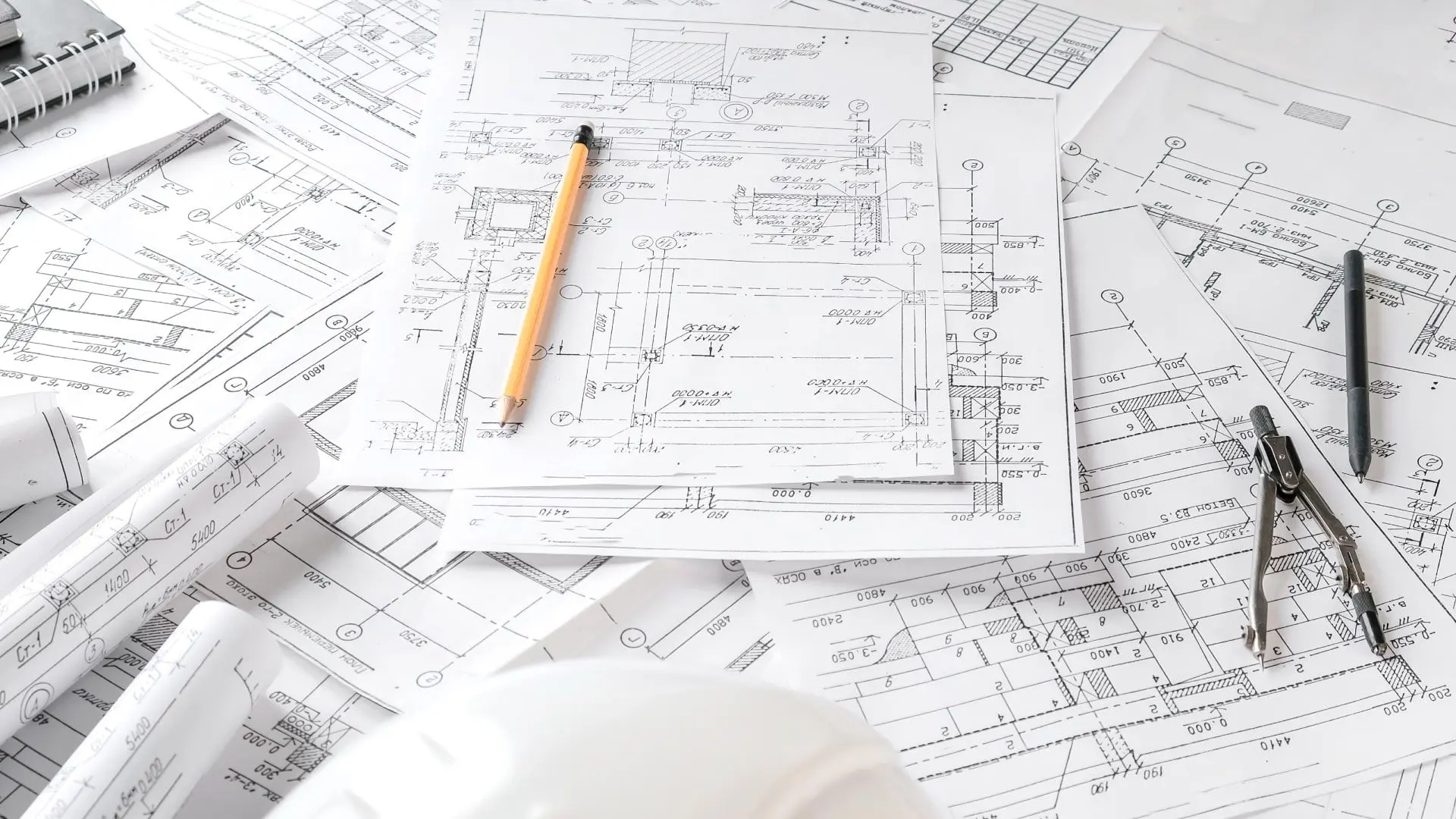
Blueprints are very necessary in transferring detailed designs whether construction, engineering or architectural. But no less important in guaranteeing that the design is properly implemented is annotations or the notes attached to the blueprint to define design intentions, materials or instructions. In order to be able to keep the clarity and accuracy of these notes, it is important to apply the right annotation skills.
Steps for annotating blueprints that ensure the highest quality results
Why blueprint annotations are important
Annotations on blueprints can be considered as one of the most important elements of providing clear and actionable information regarding the design. A blueprint annotation guide is also important in the implementation of projects by contractors, engineers and architects. Unless annotated, significant information could be lost or misinterpreted and this can be costly.
The advantages of the clear blueprint annotations:
- Improved clarity: Annotations make sure that the information of the design is well clear and no confusion can take place.
- Simpler implementation: It is easier to be followed by the contractors and other team members and the project moves ahead.
- Improved communication: Annotations are used to communicate the changes in design, choice of material and how it will be constructed.
How to annotate blueprints for high quality prints
In order to come up with professional and sharp annotations, one has to go through a few steps to ensure that the notes to be made are not blurry or inaccurate on print blueprints.
Use legible fonts and styles
- Choose simple fonts: fonts that are easy to read. Do not use fancy fonts which will reduce legibility.
- Maintain consistent size: The font size must be the size that is proportional to the size of the blueprint; it cannot be very large or too large to distract the design.
- Bold important information: Use bold or italicized text in order to highlight important instructions or any other important notes.
Position annotations effectively
- Place annotations near the relevant area: Do not place the notes too far in relation to the annotated item. Their presence will keep them closer to consultation.
- Leave space: Do not cram, there should be spacing between the text and design element. This keeps a nice appearance although the readability is guaranteed.
- Use leader lines: Leader lines may be used to draw attention out of the annotation onto the part of the design to which the annotation is referencing and hence the notes are easy to understand.
Focus on clarity and conciseness
- Be brief but informative: When conveying information, use short sentences which are to the point rather than long sentences.
- Do not use complicated language: Simple language is easy to comprehend and unless the audience is familiar with some technical words, it is advisable to use simple language.
- Lists must be bullet points: Bullet points can be applied to organize a series of instructions or information in a way that enables one to read it quickly.
Standardize the annotation process
- Use a uniform style: Have standard practice on how annotations should be made (type of font, font size, color, etc.). This will guarantee uniformity of all documents.
- Create annotation templates: In case your group constantly performs similar projects, it is time saving to develop annotation templates with pre set annotation styles that keep these projects the same.
- Review annotations regularly: Check annotations with missing or missing information before the finalizing of the prints to check that all the required information is present.
To sum up
Blueprint annotations would be required in transferring the information and guidelines that are needed in an effective project. Under these best practices, one can come up with professional blueprints that are easy to read and easy to implement and this equates to a smooth project management and a successful project.