

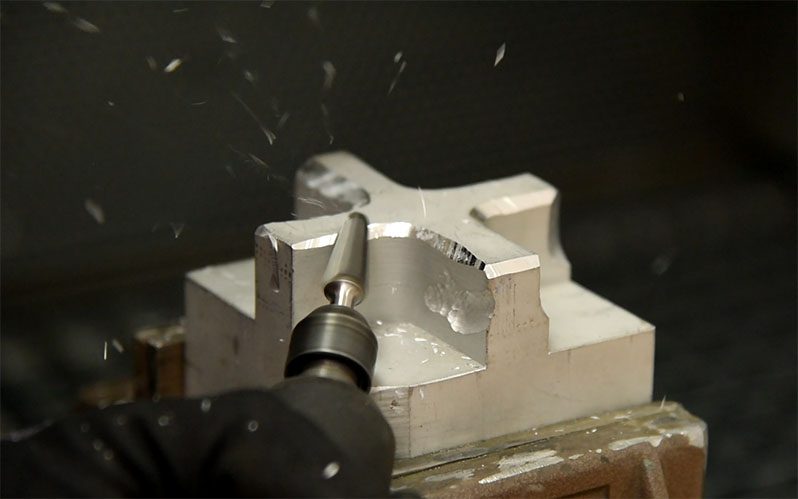
Ensuring the speed and long life of cutting tools remains essential for businesses that rely on machining equipment. In 2026, manufacturers continue to prioritize tool management strategies that reduce downtime, maintain machining accuracy, and support consistent production output.
Preventing tool failure begins with disciplined operational practices. Shops that depend on quality cutting tools in Florida often focus on inspection routines, proper storage conditions, and correct coolant usage to protect tool performance. These preventative steps help reduce wear, maintain cutting precision, and support stable machining operations.
Strong maintenance habits extend tool life far beyond what is possible when tools are neglected. Proper handling and storage protect cutting edges from unnecessary damage before they even reach the machine. Likewise, selecting the correct coolant or lubricant helps control heat and friction, both of which contribute to premature tool wear.
Establishing consistent inspection and care procedures allows manufacturers to identify problems early and avoid the costly disruptions that come with tool failure. The following practices help reduce the most common causes of cutting tool breakdown.
Regularly Inspect and Maintain Tools
Routine inspection and maintenance play a major role in extending the service life of cutting tools. Regular monitoring allows operators to detect wear before it affects machining performance or production quality.
- Routine cleaning: Clean cutting tools after each use to prevent residue buildup that can interfere with cutting performance. Removing chips, dust, and debris helps maintain sharp edges and consistent machining results.
- Lubrication practices: Apply appropriate lubrication to moving tool components when required. Proper lubrication helps reduce friction and keeps mechanical elements functioning smoothly during operation.
- Wear inspection: Examine cutting edges frequently for signs of dullness, chipping, or discoloration. Identifying early wear allows operators to replace tools before machining quality declines.
- Immediate corrective action: Address tool issues quickly when they appear. Timely adjustments or replacements help prevent machine strain and reduce production delays.
Shops that maintain reliable inspection routines often experience fewer interruptions and more predictable machining performance.
Store Tools Properly to Prevent Damage
Proper storage is another key factor in preventing tool failure. Storing tools correctly helps maintain cutting-edge integrity and protects tooling investments.
- Controlled storage environment: Keep cutting tools in a dry and stable environment. Proper storage conditions help prevent rust and corrosion that may weaken tool materials.
- Clean storage practices: Always store tools after cleaning and drying them thoroughly. Moisture and residue can contribute to corrosion or material degradation during storage.
- Correct tool usage: Use tools only for their intended machining applications. Using the wrong tool for a job can accelerate wear and increase the likelihood of breakage.
- Regular condition checks: Inspect stored tools periodically to confirm they remain in usable condition. Replacing worn tools before use prevents unexpected machining problems.
Consistent storage practices help maintain the reliability of quality cutting tools and reduce unnecessary replacements.
Use Appropriate Coolants and Lubricants
Selecting the correct coolant or lubricant helps control heat and friction during machining operations. Proper fluid management protects both tools and equipment.
- Oil-based coolants: Soluble oils are commonly used for many machining operations because they provide strong lubrication and help reduce friction between tool and workpiece.
- Synthetic coolants: Synthetic fluids are often used in high-speed machining environments where effective heat removal is critical for maintaining cutting performance.
- Semi-synthetic options: Semi-synthetic coolants offer a balance between lubrication and cooling, making them suitable for a variety of machining tasks.
- Straight cutting oils: Undiluted cutting oils are frequently used for high-precision metalworking applications where lubrication plays a central role in maintaining tool stability.
Careful coolant selection helps reduce excessive heat buildup, which is one of the most common causes of premature cutting tool wear.
Manufacturers that focus on proper maintenance, storage, and coolant management can significantly reduce tool failures in modern machining environments. These practices support smoother production workflows and protect the long-term performance of industrial equipment.
Suncoast Precision Tools provides a wide range of cutting solutions designed to support dependable machining operations. Companies seeking reliable tooling can explore available products through our website.
Investing in dependable tooling and following disciplined maintenance practices helps manufacturers maintain efficiency, protect equipment, and avoid the costly disruptions associated with cutting tool failures.
