

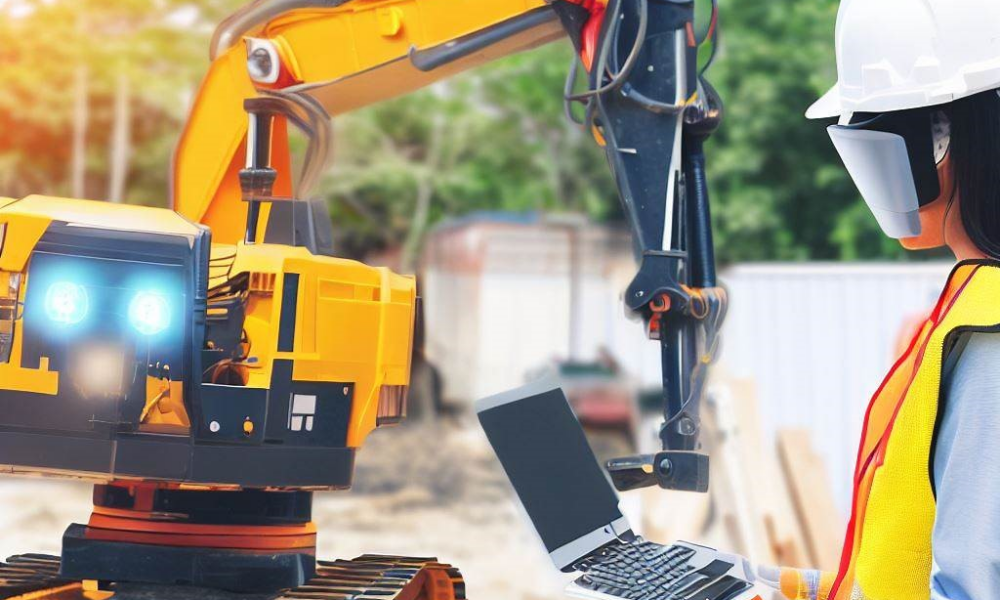
Workplace accidents, ranging from minor slips to serious incidents, pose a significant challenge across industries. Aside from the devastating human impact, these accidents lead to costly downtime, legal battles, and reputational damage. Traditional safety measures, while crucial, often react to incidents after they have occurred. This reactive approach highlights the need for proactive strategies that can predict and prevent accidents before they happen. Enter Artificial Intelligence (AI), which is rapidly emerging as a game-changer in workplace safety, offering powerful new tools for risk assessment and mitigation.
AI-Powered Predictive Analysis
At the core of AI’s role in preventing workplace accidents is its ability to perform predictive analysis. Through the use of machine learning algorithms, AI systems can analyze vast datasets of workplace information. This data can include incident reports, equipment maintenance logs, environmental conditions (temperature, light levels), and even employee behavior patterns collected through wearable sensors. By identifying correlations and historical trends, AI can pinpoint high-risk scenarios or individuals with a higher probability of being involved in an accident. This predictive capability moves beyond simply recording past events and allows companies to proactively address potential issues before they escalate. In case of ai workplace safety this is most essential.
Real-Time Monitoring and Intervention
Beyond prediction, AI enables real-time monitoring of workplace environments. Computer vision technology integrated with cameras can detect unsafe behaviors like employees not wearing proper safety gear, unauthorized access to restricted areas, or equipment malfunctions. When such risks are identified, the AI can trigger alerts, notifying supervisors or even directly intervening through automated systems to mitigate dangers. For example, an AI system might automatically shut down machinery if it identifies a malfunction or restrict access to an area where hazardous materials are exposed. This immediate feedback helps prevent accidents and reinforces a safety-conscious work culture.

Personalized Risk Assessments and Training
Another valuable application of AI within safety is its ability to perform highly personalized risk assessments. AI can analyze individual employee profiles, taking into account their training history, accident records, work experience, and even physical capabilities. Based on this assessment, AI can tailor safety training programs to address specific vulnerabilities and provide individualized guidance. Furthermore, AI-powered virtual reality (VR) training simulations can provide realistic and engaging safety exercises, allowing employees to learn from simulated mistakes in a safe environment, further enhancing their preparedness for potentially dangerous situations.
The Future of Workplace Safety
The integration of AI into workplace safety is not merely an innovative trend; it is a necessary path towards creating safer and more efficient work environments. As AI technology continues to advance, we can expect to see even more sophisticated applications emerging, such as predictive maintenance for equipment, adaptive safety procedures based on real-time data, and even the development of AI-powered robotic assistants capable of handling dangerous tasks. By embracing AI’s capabilities, businesses can move beyond reactive safety measures and instead build proactive and preventative strategies that prioritize the well-being of their workforce.
