

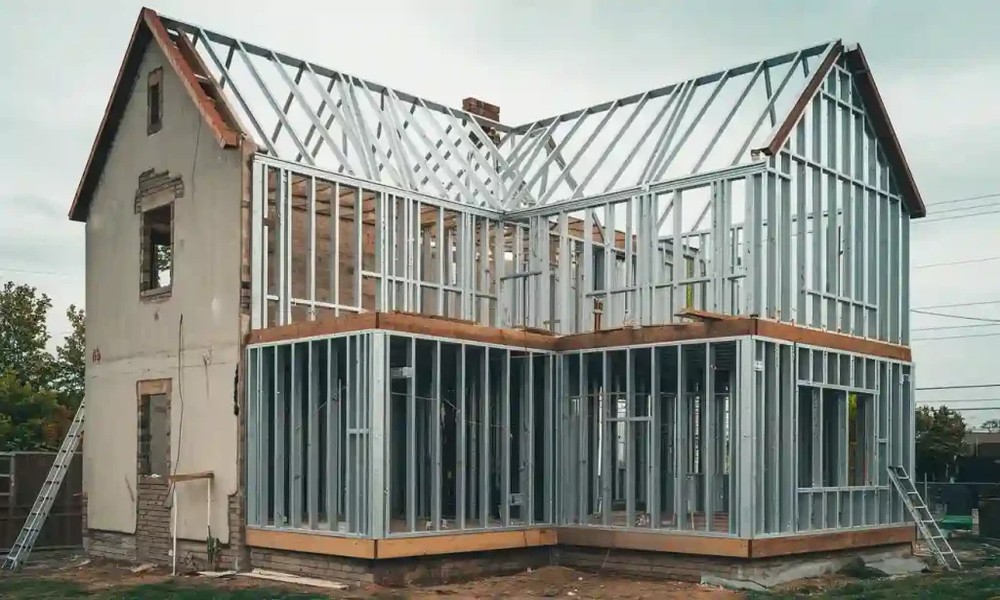
Understanding how structural materials perform over time helps people make better building decisions. Many homeowners and developers look for durability, low upkeep, and predictable outcomes when selecting framing systems. Among these options, Steel House frames Rockhampton often come up due to their strength and resistance to common issues.
Interest in long term performance usually comes from concerns about repairs, safety, and overall cost. People want to know how materials behave after years of use, not just at installation. Clear evaluation methods reduce confusion and help avoid wrong assumptions during planning stages.
When there is no structured way to assess durability, mistakes happen in material selection and maintenance planning. A simple, clear approach ensures better understanding and consistent results. This discussion connects directly to assessing the longevity of steel framing systems in modern housing developments.
Importance of structured durability assessment
A planned evaluation process improves clarity and reduces wrong judgments. It avoids relying on guesswork when analysing long term performance.
· Proper inspection timelines help detect early signs of wear before failure
· Material quality checks ensure consistency across different construction phases
· Environmental exposure tracking supports realistic lifespan predictions and adjustments
· Maintenance records provide data for improving future building decisions
A structured path ensures reliable conclusions instead of assumptions.
Material strength under varying conditions
Steel performs well under pressure and load changes. Its uniform structure allows predictable behaviours during stress. However, long exposure to moisture without protection can lead to corrosion, which needs monitoring and preventive care.
Resistance against pests and decay
Unlike timber, steel does not attract insects or rot over time. This makes it a stable option in areas prone to biological damage. Still, improper coatings or scratches can expose surfaces, which may reduce resistance in certain conditions.
Environmental exposure and performance impact
Weather conditions affect all building materials in different ways. Steel handles temperature shifts better than many alternatives. However, humidity and salt exposure may gradually affect surface quality if not managed.
· Protective coatings reduce direct exposure to moisture and air
· Controlled ventilation limits trapped humidity inside structural layers
· Regular inspection prevents unnoticed surface damage over extended periods
Maintenance planning and inspection routines
Routine checks play a major role in extending lifespan. Ignoring small issues often leads to larger structural problems later.
· Schedule periodic inspections every six to twelve months consistently
· Clean exposed surfaces to remove dust, moisture, and harmful residues
· Reapply protective coatings when signs of wear become visible
· Repair scratches immediately to prevent further surface degradation
· Monitor joints and connections for early signs of weakening
· Maintain drainage systems to avoid water accumulation near structures
· Keep records of inspections for long term performance tracking
· Use qualified professionals for detailed structural evaluations when required
These actions support stable performance across years of usage.
Cost efficiency over an extended lifespan
Initial costs may appear higher compared to other materials. However, reduced repairs and longer usability balance the investment over time. Consistent performance lowers unexpected expenses, making it a practical option for long term planning.
Structural stability in modern housing designs
Modern designs demand materials that support flexibility and strength. Steel meets these expectations with its consistent quality and load handling ability. It allows architects to create varied structures while maintaining stability under changing conditions.
Surface protection methods and coatings
Protective coatings act as the first defense against environmental damage. The use of Steel House frames Rockhampton in construction often includes galvanizing or painting to prevent corrosion. These coatings extend lifespan but require periodic renewal for continued effectiveness.
Quality control during installation stages
Proper installation ensures that materials perform as expected. Misalignment or poor handling can reduce durability even if the material is strong. Careful supervision during construction helps avoid long term issues related to structural integrity.
Monitoring performance through periodic evaluation
Regular evaluation provides real data on how structures behave over time. This method involves checking stress points, joints, and exposed areas. One limitation is that it requires consistent effort and documentation, which some projects overlook.
Step-by-step durability planning process
· Define inspection intervals based on environmental conditions and usage patterns
· Record material specifications and coating types used during the construction phase
· Conduct a baseline inspection immediately after project completion for reference
· Track changes over time using consistent evaluation methods and tools
· Address minor issues quickly to prevent long-term structural complications
Practical challenges and common mistakes
Many failures occur due to neglect rather than material weakness. Skipping inspections, ignoring minor damage, and poor installation practices lead to reduced lifespan. Changing weather conditions also affect performance, making regular monitoring necessary for accurate evaluation.
Continuous improvement through disciplined practices
Long-term performance improves when systems are tested and reviewed regularly. Consistency in inspections, proper documentation, and timely maintenance creates reliable outcomes. Repeating these actions builds a strong understanding of how materials behave over extended periods.
