

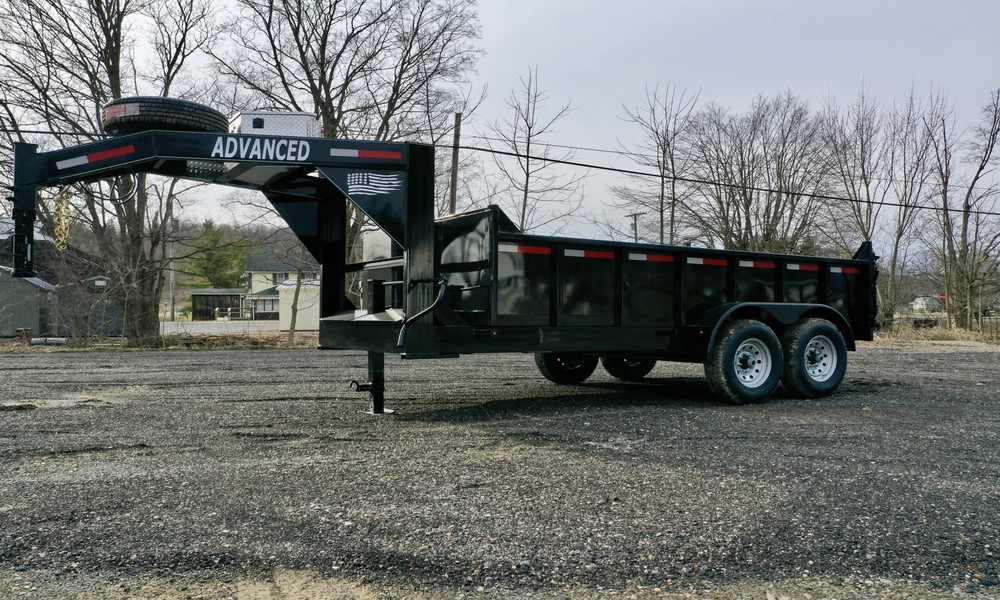
Once you start hauling loads above 14,000 pounds regularly, the conversation stops being about trailer size and starts being about hitch setup. A bumper pull that handles a loaded skid steer just fine on a Saturday run can feel squirrelly on a long pull through Sardine Canyon with a full load of hay. That’s usually the moment buyers start asking Workhorse Trailers about the jump to gooseneck.
Both setups move heavy loads. They do it differently, and the right choice depends on your truck, your cargo, and how often you’re hauling at the upper end of capacity. The tradeoffs are real on both sides, and getting this decision right saves money, reduces wear on your truck, and makes long hauls across Northern Utah safer.
How the Two Hitch Styles Actually Work
A bumper pull trailer connects to a receiver hitch mounted to the frame behind the rear bumper. The tongue weight transfers to the rear axle of the tow vehicle, which is why proper weight distribution hitches matter on heavier bumper pulls.
A gooseneck trailer connects to a ball mounted in the bed of a pickup, directly over or just ahead of the rear axle. The tongue weight transfers almost straight down onto the truck’s drive axle, which is structurally where trucks are designed to carry load.
That geometric difference drives nearly every tradeoff between the two setups.
Towing Capacity and Why the Numbers Differ
Bumper pull equipment haulers typically max out around 14,000 to 16,000 lbs GVWR. Some manufacturers push higher, but the practical ceiling is set by the tow vehicle’s receiver rating and the rear axle’s capacity to handle tongue weight.
Gooseneck trailers start where bumper pulls stop. Common GVWRs run from 20,000 lbs up to 30,000 lbs on triple-axle builds. The reason goosenecks handle more weight isn’t the trailer itself. It’s that the load sits over the truck’s rear axle instead of hanging off the back, which changes what the truck can legally and safely pull.
A 3/4-ton truck rated to pull 16,000 lbs bumper pull might be rated for 22,000 lbs or more with a gooseneck setup. Check the truck’s door jamb sticker and the owner’s manual for specific ratings. The SAE J2807 towing standard is what most modern manufacturers use to rate tow capacity, and the gooseneck numbers are almost always higher than the conventional numbers for the same truck.
Truck Bed Requirements Most Buyers Overlook
Goosenecks demand a specific truck setup. A short-bed truck (6.5 feet or less) often can’t safely run a gooseneck without a sliding hitch because the trailer nose can contact the cab during tight turns. Jackknifing into your own back window is an expensive mistake.
Requirements worth checking before buying a gooseneck:
- 8-foot bed preferred, 6.5-foot bed workable with a slider hitch
- Frame-mounted gooseneck ball, not bed-mounted, for loads above 20,000 lbs
- Rear axle rating sufficient for the pin weight, typically 20-25% of loaded trailer weight
- Factory tow package or upgraded aftermarket cooling and brake controller
Bumper pulls are more forgiving on truck setup. Any truck with an appropriate Class III, IV, or V receiver can pull a bumper pull rated to the receiver’s limit. That flexibility is part of why bumper pulls remain the default for most buyers.
Maneuverability on Narrow Roads and Jobsites
Goosenecks turn tighter than bumper pulls. The pivot point is inside the truck bed rather than behind it, so the trailer follows a shorter arc through corners. Backing into a hay barn, a narrow driveway, or a crowded jobsite is noticeably easier with a gooseneck once you get used to the different pivot feel.
Bumper pulls are harder to back into tight spots because the pivot point sits well behind the tow vehicle. First-time haulers often find bumper pulls easier to maneuver forward and harder to back up. Goosenecks are the opposite.
For ranchers running cattle between properties in Cache Valley or contractors moving equipment between sites in the Salt Lake Valley, the tighter turning radius of a gooseneck matters on a weekly basis. For weekend use, the difference is less significant.
Weight Distribution and Ride Quality
This is where goosenecks really separate from bumper pulls. With the pin weight sitting directly over the rear axle, the truck handles more like it does unloaded. The rear doesn’t squat, the front doesn’t lift, and the steering stays planted.
Bumper pulls transfer a lot of their tongue weight as leverage behind the rear axle, which lifts the front end and reduces steering and braking authority. A weight distribution hitch helps, but on heavy loads the physics still favor a gooseneck.
On long pulls through mountain passes like Parleys, Sardine, or Monte Cristo, the stability difference becomes obvious. Gooseneck loads sit quieter in crosswinds, track better downhill, and stop more predictably with trailer brakes engaged. That difference is worth real money in driver fatigue and brake wear over thousands of miles.
When a Gooseneck Is Worth the Upgrade
A gooseneck earns its place when one or more of the following applies:
- Regular loads above 14,000 lbs
- Long-haul routes with mountain grades or frequent highway miles
- A truck with a full 8-foot bed already set up for heavy tow
- Commercial use where time and stability pay back the extra investment
- Livestock, flatbed, or equipment hauling on a weekly or daily basis
A bumper pull remains the better choice when:
- Loads consistently stay below 12,000 to 14,000 lbs
- The tow vehicle is a 1/2-ton or short-bed truck
- You haul occasionally rather than professionally
- Budget is the primary constraint
The cost gap is real. A comparable gooseneck equipment hauler typically runs 20-30% more than a bumper pull, and the gooseneck hitch installation in the truck adds another $500 to $1,500 depending on the setup.
Legal and Safety Considerations in Utah
Utah follows federal weight and brake requirements for trailer towing. Any trailer above 2,000 lbs GVWR in Utah must have working brakes, and breakaway systems are required on trailers above certain weight thresholds. The Utah DMV trailer registration page outlines the specific rules, and the FMCSA regulations apply to commercial haulers crossing state lines.
For commercial operators, CDL requirements kick in when the combined gross vehicle weight rating exceeds 26,001 lbs with a trailer over 10,000 lbs. Many gooseneck setups land right at that threshold, and it’s worth knowing before purchase whether the planned loads will require a CDL.
Making the Right Call for Your Hauling Needs
The honest answer for most buyers comes down to frequency and weight. Haul heavy loads two or three times a year, stick with a bumper pull equipment hauler or deck over. Haul heavy every week, the gooseneck pays for itself in stability, truck wear, and ease of use within a couple of seasons.
Workhorse Trailers builds both setups across a range of sizes and specs, and the team can walk through your truck’s ratings, your typical loads, and your routes before recommending one over the other. Bring your truck’s door jamb info and a description of what you haul most often, and the right hitch setup usually becomes clear within a short conversation on the lot.
