
Maintaining the strength and stability of a building is essential in the construction and property industry. Structures may experience movement when soil changes, and possible foundation issues may occur. Once it happens, it requires repair depending on the severity. Yet, it can be avoided when you apply prevention on the spot while constructing a building.
An underpinning foundation is the solution to strengthen and stabilize the building. It will ensure the building stays safe and durable for many years to come. Underpinning is usually relied upon by businesses and contractors to protect their investments and maintain the structural integrity of the building.
About underpinning?
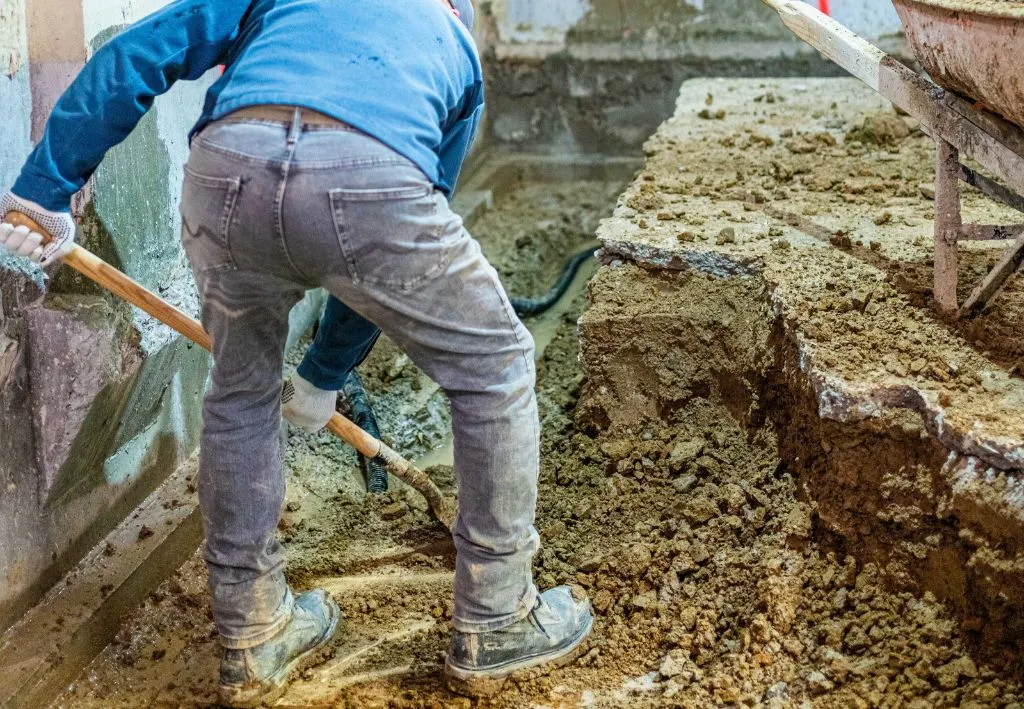
Underpinning is a construction technique that reinforces or rebuilds the foundation of a structure. It is a method usually used as a solution for weakened or damaged foundations. The process involves:
- extending the existing foundation depth
- spreading the load across a greater area
It is commonly used when the original foundation is not strong or stable enough to support the building.
The need for underpinning can arise from several factors, such as:
- ground movement
- soil subsidence
- changes in nearby construction
Timely underpinning can prevent costly structural damage and ensure operational safety for residential properties.
When is underpinning needed?
Understanding when underpinning is necessary is vital for building owners and property managers. The signs that a structure may require underpinning include:
- visible cracks on walls
- uneven parts of the building, like:
- floors
- doors
- windows
You will know there is an issue when doors do not close properly, or gaps between floors and walls. These signs indicate foundation settlement or instability beneath the structure.
Foundation problems can disrupt daily operations and reduce property value in residential buildings, such as:
- Apartments
- Condos
- Villas
Investing in underpinning early helps prevent further deterioration. It saves residential properties from future repair expenses and operational downtime.
Types of underpinning methods
There are various methods of underpinning, each of which addresses specific foundation issues. The most common types include:
- Mass concrete underpinning. It is the traditional and simplest form. The sections under the existing foundation are excavated and filled with concrete to increase depth and strength.
- Beam and base underpinning. The method uses reinforced concrete beams to distribute the load evenly to the base. It offers added stability for larger structures.
- Mini-Piled underpinning. It is ideal for areas with difficult access or where ground conditions are weak. It involves inserting mini piles deep into the soil to provide solid support.
- Resin injection underpinning. It is a modern, non-invasive method that injects expanding resin into the ground. The method stabilizes soil and lifts the structure without major excavation.
Each method has its advantages and cost considerations. Choosing the right one depends on:
- type of building
- soil conditions
- extent of the foundation damage
Benefits of underpinning for residential properties
Underpinning offers several benefits that make it a wise investment for residential property owners:
- Structural safety. It strengthens the foundation, ensuring the building remains stable and compliant with safety standards.
- Cost efficiency. Underpinning prevents the need for expensive repairs or complete reconstruction later.
- Property value. A stable foundation enhances the overall value of residential properties, making them more appealing to investors and buyers.
- Operational continuity. Professional underpinning minimizes disruption for businesses to continue their operations.
Choosing a professional underpinning service
Working with experienced engineers and contractors when planning an underpinning project is essential. A professional team can perform plans for the underpinning project, such as:
- assess the site
- identify the root cause of foundation issues
- recommend the most effective method
Businesses should ensure that all work complies with building codes and safety regulations. Regular inspections and maintenance after underpinning are also recommended to ensure long-term foundation stability.
Conclusion
Underpinning maintains the strength and stability of buildings. Understanding the essentials of underpinning secures the structural health and secures the long-term success of a building.