

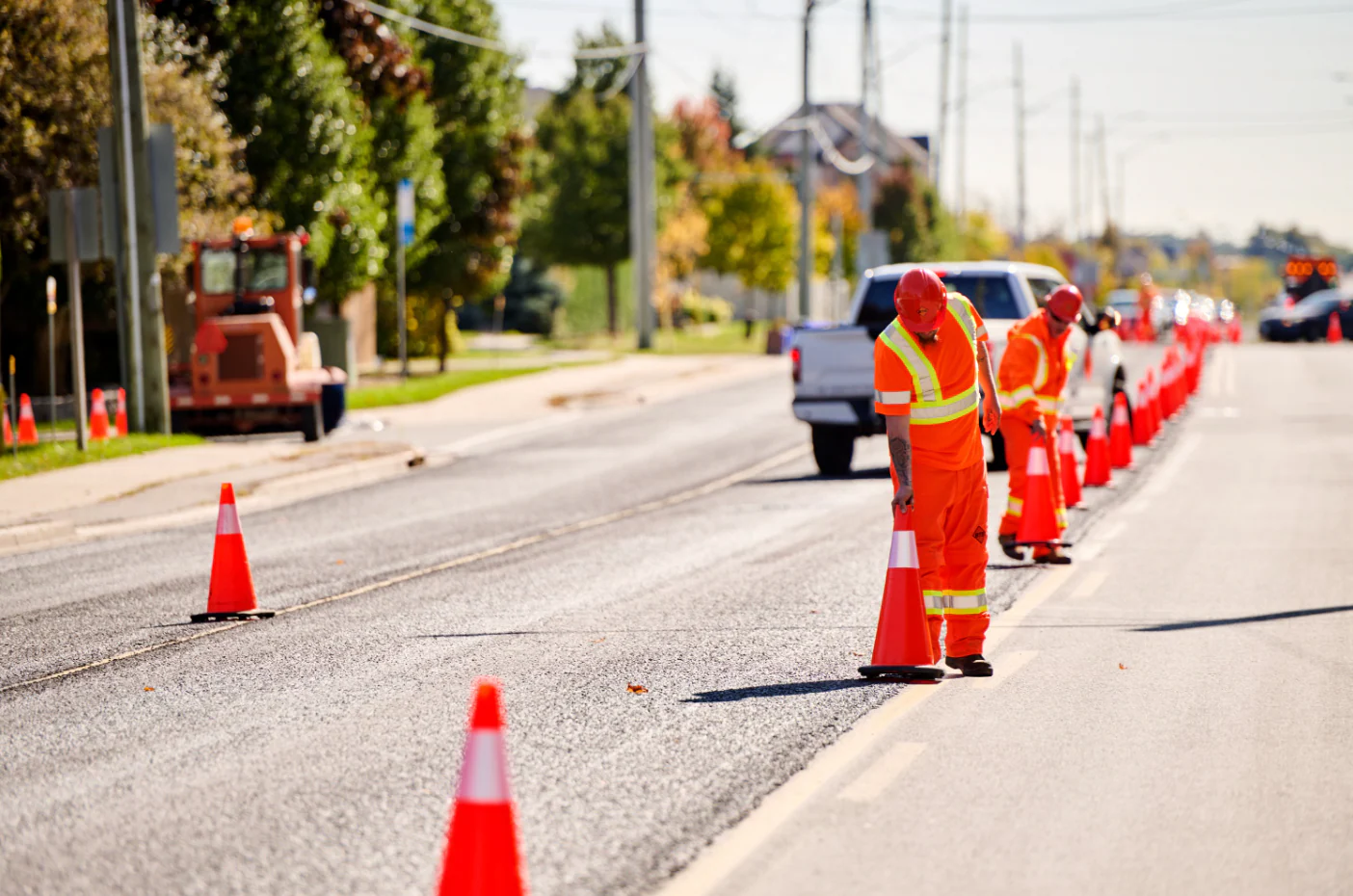
The sound of blaring horns and the rush of vehicles weaving through lane closures are familiar to anyone who has faced complex traffic control scenarios. In these moments, hesitation or a single misstep can lead to chaos, frustration, or worse. But what separates a smooth, safe operation from gridlock and danger?
Understanding the Challenges of Complex Traffic Control Scenarios
Managing traffic on busy urban roads or multi-lane highways brings a host of complications. Between unpredictable driver behavior, the sheer volume of vehicles, and the presence of construction or event crews, the margin for error is thin. Throw in the need to reroute public transit or emergency vehicles, and the complexity multiplies.
Common Traffic Control Complications on Multi-Lane and Urban Roads
Urban roads rarely offer the luxury of space. A single lane closure can ripple out, causing backups and confusion. Multi-lane roads demand advanced coordination. Here, flagging crews must anticipate bottlenecks, communicate rapidly, and adapt as flow patterns change minute by minute.
Risks of Poor Traffic Management: Safety and Efficiency Concerns
Mistakes in traffic management come at a high cost. Poorly marked detours or inattentive flagging can lead to accidents involving workers and drivers alike. Delays don’t just frustrate commuters; they can disrupt emergency response times and escalate project budgets.
Regulatory Hurdles: Navigating Permits and Municipal Requirements
It’s not enough to set up a few cones and hope for the best. Municipalities enforce strict rules before granting road occupancy permits. Each city may require tailored plans, specific signage, and compliance with evolving standards, turning bureaucracy into its own obstacle course.
Proven Solutions for Managing Complex Traffic Control
Meeting these challenges head-on takes more than experience. It requires strategic solutions and a relentless focus on safety and efficiency.
The Role of Flagging Crews in Lane Closures and Traffic Flow
Flagging crews are the frontline defenders of safety in work zones. Their ability to read traffic patterns, coordinate with each other, and communicate with drivers keeps vehicles and pedestrians moving safely past hazards. Trained crews can adjust on the fly, dealing with unexpected surges or road incidents.
Designing Effective Traffic Control Plans: Beyond Standard Layouts
Standard templates only go so far. Site-specific traffic control plans anticipate the unique quirks of each location: intersections, pedestrian crossings, local traffic peaks, and special vehicle needs. These tailored plans ensure compliance and help projects run without disruptive surprises.
Utilizing Specialized Equipment and Rentals for Seamless Operations
Temporary barriers, high-visibility signage, and advanced warning systems all play critical roles. Access to a well-maintained fleet of equipment means teams can rapidly deploy what’s needed, whether it’s for a single lane closure or a full street shutdown.
Handling Special Events: Parades, Festivals, and Film Productions
Special events add another layer of unpredictability. Whether it’s a festival attracting thousands or an impromptu film shoot, experience with large crowds and fast-changing logistics is invaluable. Coordinated management ensures public safety without unnecessary inconvenience.
Building Confidence Through Preparation and Expertise
Preparation isn’t just about paperwork and planning. True confidence on the ground comes from hands-on experience and the ability to react swiftly.
Training and Experience: What Makes a Skilled Traffic Control Team?
Seasoned teams train for a variety of scenarios, from routine maintenance closures to high-pressure emergencies. Continuous education on the latest regulations and best practices keeps their skills sharp. Knowledge is shared across the team, so every member is prepared for unusual or hazardous conditions.
Leveraging Technology and Best Practices for Real-Time Adaptation
Modern traffic management increasingly relies on technology. Real-time communication tools, electronic signage, and data-driven monitoring allow teams to adjust to changing conditions immediately, minimizing risk and maximizing flow.
Collaborating with Municipalities and Stakeholders for Smooth Permits
Strong relationships with municipal authorities can make or break a project. Open communication ensures permit requirements are met, changes are approved quickly, and all parties are aligned on safety priorities.
Taking Action: Steps to Prepare for Complex Traffic Control Scenarios
Preparation is your best defense against uncertainty. Here’s how to get ready:
1. Assess Your Project’s Specific Needs and Risks: Review site plans, expected traffic volumes, and any unique challenges.
2. Select the Right Traffic Control Services and Equipment: Partner with experienced professionals and ensure access to suitable gear.
3. Develop a Site-Specific Traffic Control Plan: Customize your approach for each project, ensuring regulatory compliance.
4. Continuous Monitoring and Adjustment: Stay alert during operations, ready to make adjustments as conditions shift.
Ensuring Long-Term Success and Safety in Traffic Control
The work doesn’t stop when the last cone is packed away. Reflecting on each project is essential for improvement.
Post-Project Evaluation and Lessons Learned
After every operation, gather your team to discuss what worked, what didn’t, and how the process can be refined. Small adjustments can have a big impact on future results.
Staying Updated on Regulations and Industry Innovations
Traffic control is a field in constant motion. Keeping up with new standards and emerging technologies gives you an edge in both safety and efficiency.
Building a Culture of Safety and Responsiveness Among Teams
Success grows from a mindset where safety is the top priority. Empowering every team member to speak up and adapt to changes ensures lasting confidence and success.
When uncertainty arises, expertise makes all the difference. Companies like Salus Traffic management company have built their reputations on handling the most challenging scenarios with professionalism and skill. By investing in preparation, up-to-date plans, and experienced crews, you can navigate even the most complex traffic control situations with true confidence.
