

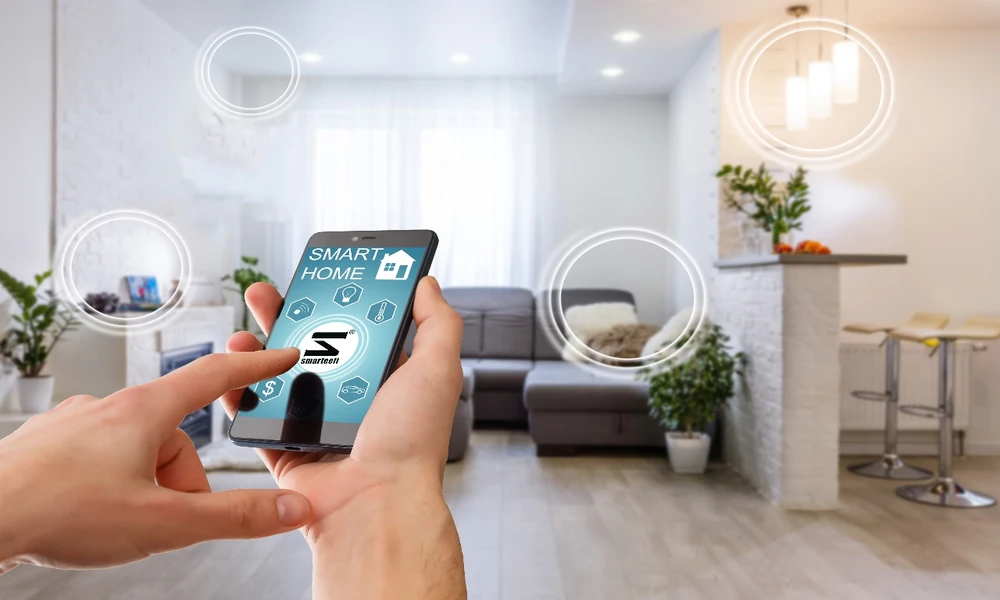
The hum of a coffee maker that knows your morning, the light that adjusts itself as dusk falls, the thermostat that anticipates your return home: this is not a preview of life decades from now. It is happening today, quietly and rapidly transforming the spaces we call home. Smart devices have shifted from being tech toys for enthusiasts into essential tools for comfort, efficiency, and security, subtly reshaping our daily rhythms in ways that were unimaginable even a decade ago.
The Disconnect in Modern Living Spaces
Many traditional home environments were designed for static routines. Lights flicked on at the switch, appliances waited for manual instructions, and security systems, if present, guarded in silence. Despite their reliability, these setups often fell short in adapting to unpredictable schedules or evolving needs. The result was a lingering gap between what our homes could do and what our lives demanded.
With more people working from home, pursuing flexible lifestyles, and juggling complex schedules, the limitations of older systems became clearer. Residents craved living spaces that would proactively enhance their comfort, conserve energy, and keep them safe without constant oversight.
How Smart Devices Transform Living Spaces
Today’s homes are learning to think for themselves. Automation lies at the heart of this revolution. Imagine a lighting system that senses movement and natural light, brightening or dimming accordingly. Smart thermostats analyze your habits, reducing unnecessary heating or cooling and saving money alongside energy. Security cameras, connected through a single hub, send real-time alerts to your phone, giving you peace of mind whether you are at work or on vacation.
The environmental impact is substantial, too. Smart plugs and appliances can be programmed to operate during off-peak hours, cutting down on energy bills and reducing strain on the grid. Voice assistants have made managing all these systems refreshingly simple; a single spoken command can lock doors, start music, and even brew a perfect cup of coffee.
Entertainment, once centered around the TV, now extends to any room. Streaming devices, wireless speakers, and integrated controls let you enjoy personalized media wherever you are at home, all without tangled wires or complicated remotes.
Key Categories of Smart Devices Revolutionizing Homes
Some innovations have become the backbone of modern smart homes:
– Smart lighting and climate control: From color-changing bulbs to learning thermostats, these systems create a personalized environment that adapts to changing needs.
– Voice assistants and AI-driven hubs: Devices like Google Home and Alexa are now command centers, tying together a home’s disparate tech into a coherent, user-friendly ecosystem.
– Connected appliances and kitchen innovations: Smart refrigerators track grocery lists, ovens preheat remotely, and coffee makers prepare your favorite blend before you even get out of bed.
– Home security cameras and sensors: Discrete, app-connected cameras watch over entrances while motion, smoke, and CO2 sensors keep families safe.
– Wearables and personal health monitoring: Fitness trackers and smartwatches sync seamlessly with home systems, allowing for health-focused automation like adjusting lighting for optimal sleep.
Overcoming Barriers to Smart Device Adoption
Despite their promise, some Canadians hesitate to smarten their homes. Privacy and data security are the biggest concerns, as interconnected devices can become entry points for hackers if not properly secured. Manufacturers are increasingly addressing these issues through encrypted connections and regular firmware updates.
Installation complexity is another hurdle. Thankfully, most leading smart products now offer streamlined, app-guided setups, and many are designed to work together with minimal technical know-how.
Affordability is also top of mind. The Canadian market has diversified rapidly, and retailers such as GSM Depot curate a wide range of smart devices, often bundled with value-added essentials and backed by accessible support and return policies.
Practical Steps to Smartify Your Living Space
Upgrading your home does not require a full renovation or limitless budget. Start by identifying the most persistent pain points: is it energy waste, security worries, or inconvenience? Prioritize devices that address these specific needs and ensure they are compatible with your existing tech.
Scalability matters. Opt for systems that allow for future expansion, so you are not boxed in when new innovations emerge. Integrate devices through a central hub for seamless communication, keeping usability at the forefront. Finally, schedule regular updates and check device settings to keep security tight and performance optimal.
The Future Outlook: Living Spaces of Tomorrow
Emerging trends point to an even more intuitive future. AI and machine learning will continue to anticipate our preferences, adjusting settings before we have to ask. Smart homes will not just respond, they will predict, making split-second decisions that conserve resources and maximize comfort.
As technology matures and becomes more affordable, the definition of home will shift. Spaces will no longer be passive backgrounds to our lives. Instead, they will become active partners in health, productivity, and relaxation. The homes of tomorrow promise not just advanced features, but a profound new ease, one where technology works quietly behind the scenes, and every day feels a little more effortless.
